On-the-Job Learning in Metal Fabrication: A Balancing Act Between Productivity and Skill Development
The world of metal fabrication provides countless opportunities to gain hands-on expertise, yet the journey is filled with tricky parts, tangled issues, and surprising twists and turns. As tradespeople find their path in welding, cutting, and assembly, the experience of working on challenging projects becomes essential. When projects offer a mix of tasks that align with one’s current abilities and yet push the envelope into areas where improvement is needed, the learning is profound. In this opinion editorial, I explore the value of on-the-job learning in metal fabrication, using firsthand experiences and observations from shop floors to illustrate how well-structured challenges — even when they come with a touch of confusion or nerve-racking moments — can gradually build competence and confidence.
Learning by Doing: A Closer Look at Practical Fabrication Projects
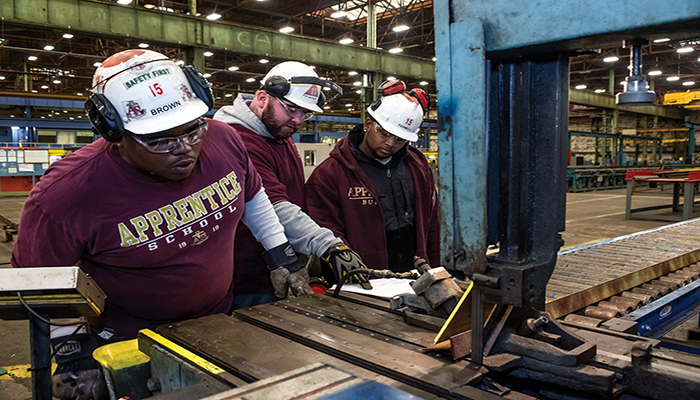
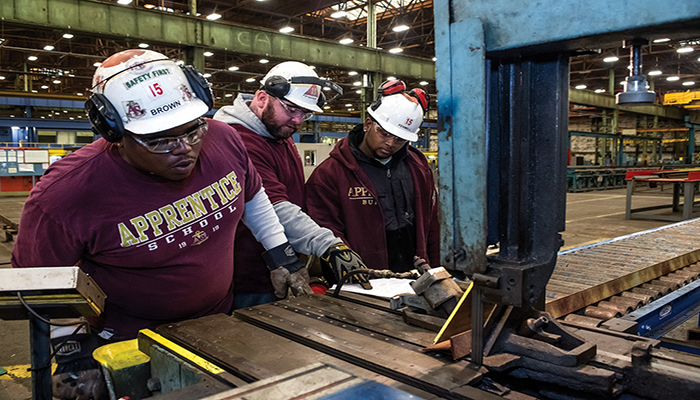
For those who work in manufacturing environments, the notion of learning by doing is both essential and, at times, overwhelming. It is common to come across projects that require tradespeople to rely on their background knowledge while also growing into new skills. One illustrative example involves fabricating truck ramps made from C-channel and angle iron — a project that, at first glance, may appear straightforward. Yet even simple tasks conceal hidden complexities in the form of subtle details regarding angles, measurements, and the right pacing while under pressure.
When a project is designed to combine familiar tasks with just a few additional complicated pieces, it positions the worker within what educators term the “zone of proximal development” (ZPD). This is a space where an individual can stretch just beyond what they already know, with guidance from more experienced coworkers. Using a real-world situation, a welder and fabricator recounted the experience of using a large steel plate as an impromptu drawing board. In that setting, a mentor explained how to measure and draw a template to determine the ideal angle for cutting the C-channel — critical for ensuring the ramp fits perfectly against a truck bed.
This scenario demonstrated just how crucial it is to have supportive supervision. A momentary lapse in understanding — where the apprentice did not immediately grasp that a side view was being drawn — underlines the importance of clear, deliberate communication in these environments. Such experiences also reveal how real-time questions can help clarify confusing bits. After all, a few minutes of uncertainty and subsequent demonstration by a more experienced colleague might be all it takes for the learning process to click.
Using Templates and Tools for Accurate Fabrication
One common method to improve precision in fabrication is the use of custom-made templates. In our example, a flat bar was employed to serve as a repetitive guide for marking and cutting the C-channel pieces. Though the concept of using a flat bar appeared perplexing at first, the mentor patiently demonstrated its purpose. The learner was instructed to set the flat bar on top of the C-channel as a guide for marking cut lines, ensuring both sides of the ramp were symmetrical.
This approach is a testament to how tools, no matter how simple, can be critical in industrial settings. They not only provide accuracy but also facilitate a smoother workflow. When decisions must be made quickly yet accurately, having these essential tools can greatly reduce the risk of error. Here, the flat bar will serve two main functions:
- Ensuring each cut is consistent by providing a fixed reference point.
- Reducing mental blocks from trying to calculate every tiny measurement in one’s head under nerve-racking time constraints.
The flat bar essentially acts as a template that helps welders make quick and error-free decisions. This example shows that when a challenging project offers an opportunity to use a tool in a new way, it not only builds technical skills but also reinforces problem-solving strategies that can be transferred to different tasks on the shop floor.
Handling Nerve-Racking Projects: The Case of the Bank Sign
Not all projects will be as straightforward and educational as the truck ramp. Sometimes, tradespeople are thrust into nerve-racking scenarios where the tasks extend far beyond their current knowledge level. Take, for instance, a project involving a bank sign that required precise fabrication of triangles and rectangles combined with priming and painting. Here, the complexity isn’t just in cutting and assembling metal, but also in understanding how different procedures — from proper geometry to the timing of paint application — work together.
The bank sign project is an example where the worker juggled multiple tasks, each with its own set of confusing bits. Even after successfully cutting the right geometry from the square tubing, an attempt to bridge the gap with a copper backing strip proved ineffective. This mistake underscored how lacking exposure to essential fine points of geometry can make one’s work vulnerable to mistakes. Ultimately, when the mentor arrived and demonstrated how to draw perpendicular lines to ensure proper joining of the tubing, it became clear that scaffolding was needed right from the start.
This project illustrates several important lessons:
- Complex project management: When a project involves many unknown variables, it can easily become intimidating, especially if the worker is expected to figure out all the little details independently.
- Cost of mistakes: The learning process in such cases is loaded with potential waste of materials and increased time spent correcting errors. This not only affects the craftsmanship but also puts pressure on everyone in the shop.
- Impact on overall productivity: When a worker’s lack of understanding diverts the attention of supervisors and colleagues, it creates interruptions that increase mistakes and extend project timelines.
The bank sign project highlights that while learning is essential, rushing into tasks without adequate preparation or scaffolding can be counterproductive — a reminder for both management and workers to plan projects that are conducive to deliberate practice.
Streamlining Learning Through Deliberate Practice in Fabrication
Deliberate practice is fundamentally different from simple repetition. It requires focused effort and ongoing feedback on both the process and the results, aiming to refine skills continuously. In metal fabrication, deliberate practice might mean concentrating on pulling clean lines with an oxyacetylene torch or mastering the specific angles required for a structurally safe ramp. Such practice not only builds muscle memory but also increases a worker’s confidence, which is critical when each project might come with overwhelming twists and turns.
For instance, when a welder saw that his cuts were becoming consistent — thanks to repeated, thoughtful practice — his pride in his work grew. This newfound confidence allowed him to better incorporate feedback. A mentor might emphasize taking a little extra time to dwell on the sides of a weld bead during 45-degree welds. Even if the initial critique feels off-putting, it is this very feedback that pushes a worker to try again, learn from the mistake, and eventually master the task.
In reading through these examples, one can see that projects which offer adequate scaffolding and opportunities for deliberate practice bring out the best in skilled trades workers. Key elements of such projects include:
- An initial challenge that utilizes current knowledge while gently nudging the learner towards tougher tasks.
- An environment where questions are welcomed and explanations are given patiently.
- Tools and templates that simplify complicated pieces and reduce the risk of errors.
- Constructive, hands-on feedback that helps workers adjust their techniques in real time.
Integrating Mentorship and Scaffolding in a Productive Shop Environment
Mentorship is the backbone of growth in any skilled trade. In metal fabrication, where precision and attention to detail determine the success of a project, having a mentor can be a game changer. However, many supervisors in busy shops aren’t formally trained as educators. They are experts in their craft who often have multiple responsibilities. This dual role means that while they do provide on-the-job training, interruptions to their own tasks may lead to a reduction in the quality or clarity of instruction.
Consider the moments when a mentor might quietly walk by while a worker struggles, not immediately pinpointing the misunderstanding. Such scenarios remind us that effective mentorship requires patience, clarity, and a willingness to pause one’s own work. Workshops that include designated time for guided practice can make a huge difference — not only in improving the technical abilities of the journeyman but also in sustaining the overall workflow of the shop.
To make mentorship more effective in high-paced environments, the following strategies should be embraced:
- Scheduled training sessions: Regular, dedicated sessions for skill development can allow workers to focus on learning without the pressure of immediate production targets.
- Clear communication of goals: Ensuring that both the mentor and apprentice are on the same page from the beginning can reduce confusion and misinterpretation of instructions.
- Building peer support networks: Mentorship shouldn’t only flow from supervisors. More experienced colleagues can offer quick tips and insights that add up over time.
- Encouraging questions: Fostering an environment where asking for help is seen as a strength rather than a weakness can greatly enhance the overall learning process.
Learning the Finer Details: Harnessing Curiosity in the Trades
Curiosity is a must-have trait for anyone working in a craft that relies on manual skills and problem-solving. Whether it’s wondering why copper acts as such an effective heat sink or exploring the differences between single-phase and three-phase welding machines, a curious mind can transform every workday into an endless learning opportunity. In the fast-paced world of fabrication, where the little twists and slight differences in technique can impact overall quality, encouraging a state of perpetual curiosity is essential.
For many tradespeople, the work isn’t just about understanding how to use their tools — it’s about understanding why these tools work the way they do. Their ongoing experiments, questions, and observations help them piece together seemingly disconnected bits of information, which then form a cohesive understanding of the fabrication process. This mindset not only empowers the worker but also contributes to the overall innovation and adaptability of the entire team.
Effective ways to nurture curiosity in a fabrication environment could include:
- On-the-job exploration: Taking a few moments each day to ask, “What makes this machine tick?” or “How does this process work?” can open new paths to improvement.
- Cross-training opportunities: Encouraging employees to rotate tasks so they experience different facets of the job can help them gain a broader perspective on the industry.
- Mentorship and guided learning: Combining the intuition of curiosity with the experienced perspective of seasoned professionals leads to a richer learning experience.
- In-house workshops and seminars: These settings allow workers to get into the nitty-gritty details of machine operation, safety protocols, and advanced techniques that might otherwise be overlooked in a busy shop.
Resolving Production Interruptions: When Learning Costs Time
While the benefits of on-the-job learning are clear, there is an unavoidable trade-off when it comes to productivity. Interruptions that occur from asking questions or seeking guidance have a tangible impact on overall workflow. Research indicates that switching from one task to another — often triggered by the need for clarifications or corrective feedback — can increase mistakes and delay project completion. In one instance involving the bank sign project, the disruption meant that not only were materials wasted, but the shift in focus also slowed down progress.
Understanding and mitigating these interruptions is important for maintaining a balance between productivity and learning. Some effective strategies to minimize resumption lag and related delays include:
- Designated mentoring time: Organizing specific intervals during which workers can pause their routine tasks to focus on training helps reduce the constant back-and-forth that can disrupt concentration.
- Clear process guidelines: When workers have access to written procedures or quick reference charts, they can find their way through tasks more quickly and with fewer disruptions.
- Efficient feedback loops: Rapid, on-the-spot feedback—delivered in a calm and supportive manner—can prevent extensive rework later on.
- Team-based project planning: Involving several coworkers in planning a project helps distribute the cognitive load, so that no one person is overwhelmed by the off-putting task of switching frequently between roles.
Enhancing Operational Efficiency Through Structured Learning Projects
One of the key challenges for small and medium-sized fabrication shops is structuring work projects that naturally incorporate on-the-job training. Projects are often dictated by immediate business needs rather than deliberate planning for skill development. However, by identifying tasks that are ripe with potential for deliberate practice and then adjusting those tasks to include elements of scaffolding, shop managers can cultivate a more skilled workforce without sacrificing productivity.
For example, a truck ramp project where the cuts are consistently guided by a flat-bar template is not just about producing a finished product. It’s also about creating a learning cycle in which consistent practice, thoughtful feedback, and gradual improvements build both skill and confidence. This method has several benefits:
- Consistency: Using templates and predefined measurement guidelines minimizes errors and increases the likelihood of repeatable success.
- Engagement: Workers who see clear improvements in their own technique are more engaged and motivated to ask questions and explore further.
- Resource optimization: Reducing errors due to inattentive fabrication conserves both material and time, ultimately benefiting shop productivity.
- Scalability: Once a system of deliberate practice proves successful in one project, it can often be adapted and applied to others, transforming training into an integral part of shop operations.
While these strategies might require an initial reallocation of time and resources, the long-term benefits — including lower error rates, higher overall skill levels, and increased job satisfaction — are critical for staying competitive in today’s industrial landscape.
Real-World Implications for Small Businesses in Manufacturing and Automotive Sectors
It is not solely the fabrication shops that feel the impact of on-the-job learning; small businesses in manufacturing and even the emerging automotive and electric vehicle sectors share these challenges. As technological advances continue to reshape production methods, companies must find ways to bridge the gap between fast-paced production goals and the necessary training required to manage new equipment and efficient processes.
Companies that invest time in training not only gain a workforce capable of tackling both routine and challenging tasks but also create an environment where mistakes are seen as opportunities to learn rather than setbacks. In the realm of business tax laws and economic policy, supportive training programs may even qualify as key operational improvements that could influence incentive calculations and cost-saving measures for small businesses. For instance, documenting deliberate practice and training sessions can be beneficial during assessments for grants or workforce development programs.
Small businesses can consider several actionable steps to weave learning into daily operations:
- Invest in cross-training: Encouraging employees to work on different facets of production not only improves flexibility but also makes the workforce more resilient when facing complicated pieces or sudden vacancies.
- Establish mentorship programs: By formalizing who is best equipped to take on training roles, companies can ensure that new and less experienced workers receive the guidance they require, thereby reducing the off-putting interruptions in day-to-day operations.
- Leverage technology: Digital tools and manufacturing software can help record training sessions, simulate processes, and even provide interactive feedback. Such tools can be viewed as part of a comprehensive approach to ensure that the subtle parts of complex tasks are not overlooked.
- Plan projects with dual objectives: When designing new projects, factor in points where workers can not only complete a task but also practice and build capacity. This helps bridge existing knowledge with the little twists that may come with a challenging project.
Embracing Mistakes as Stepping Stones to Better Competence
Anyone working in metal fabrication will agree that mistakes are an inevitable part of learning. The balance between productivity and educational growth is precarious, and an error in judgment or measurement can have rippling effects. However, rather than viewing mistakes as wasted time, they should be regarded as crucial learning moments. For example, while the bank sign project might have produced waste initially, the oversight provided a tangible lesson in the importance of applying proper geometry and using the correct guides from the beginning.
This approach of iterative learning is super important in all skilled trades. A temporary setback — such as applying an untested method to bridge gaps with copper backing strips — often reveals hidden issues in the process. With a bit more deliberate practice and guidance, even the nerve-wracking moments eventually pave the way for improved techniques and better project outcomes in future endeavors.
Key points to remember when addressing mistakes in a trade environment include:
| Lesson Learned | Practical Takeaway |
|---|---|
| Misunderstanding project perspective | Ask clarifying questions early and often to ensure shared understanding. |
| Incorrect template usage | Use tools like the flat bar to keep measurements consistent for accurate cuts. |
| Overcomplicating processes | Simplify steps through deliberate practice and feedback from experienced mentors. |
| Interruption-induced errors | Designate specific training times to minimize production disruptions. |
When errors are examined for their root causes and corrected with precise feedback, tradespeople can refine their abilities and steer through future projects with increased competence and assurance.
Fostering a Culture of Continuous Learning in Fabrication Shops
Bringing it all together, the practical experiences described above emphasize that a culture of continuous learning is not an add-on — it is an integral part of the manufacturing process. From a small job shop where metal fabricators perform repetitive yet challenging tasks to larger industrial facilities implementing automated processes, the lessons remain consistent. Employees should be encouraged to ask questions, engage in deliberate practice, and capitalize on every opportunity for hands-on learning.
Building this culture may require making adjustments such as:
- Developing clear training protocols: Having step-by-step guides and checklists for common procedures can help reduce the confusion caused by tangled issues.
- Recognizing and rewarding learning efforts: Acknowledging the commitment of workers who invest time in learning helps reinforce a positive attitude towards mistakes and improvement.
- Integrating education into everyday tasks: Rather than treating training as separate from production, successful businesses find ways to merge the two, emphasizing that every project contributes to both outcomes.
- Providing access to learning resources: Materials like manuals, digital tutorials, and even published works by experienced individuals in the industry should be easily accessible.
This holistic approach to training does not only enhance the technical capabilities of the individual but also promotes the overall efficiency and competitiveness of the business in a challenging market. It is crucial for both employers and employees to recognize that even when tasks seem overwhelming or off-putting at first, they are stepping stones in a longer journey towards mastery.
Looking Ahead: The Future of On-the-Job Training in Metal Fabrication
As the industrial landscape evolves—especially with advancements in automation, robotics, and digital manufacturing—it becomes even more critical for the workforce to keep pace with new methods and technologies. The experiences drawn from both well-structured and not-so-great projects emphasize that while hands-on learning is invaluable, the structure of that learning is what ultimately defines its success.
Automation and smart fabrication systems are already beginning to transform traditional practices. However, these new technologies do not eliminate the need for a strong foundation in manual skills. Instead, they require a blend of technology and human expertise where learning today prepares tradespeople to figure a path through tomorrow’s automated environments.
Key factors that will define the future of on-the-job training include:
- Hybrid training models: Combining traditional hands-on learning with digital simulations and interactive technologies can provide a broader, more integrated approach to training.
- Adaptive learning modules: Tailored step-by-step programs that take into account the worker’s current skill set and gradually introduce more challenging tasks can help reduce those nerve-wracking moments of transition.
- Collaborative learning environments: Encouraging teamwork and peer-to-peer learning will help build a community driven by a shared passion for excellence and continuous improvement.
- Feedback-driven improvements: Regular feedback sessions and performance reviews that focus on the learning process rather than just the final product will help maintain high standards while keeping the environment supportive.
This forward-thinking perspective underscores that while there may be distracting twists and turns along the learning path, the willingness to invest in training is key to adapting to a fast-changing industry. The principles of deliberate, scaffolded, and curiosity-driven learning can ensure that even as tasks become more complicated or intimidating, workers are well-prepared to handle complexity with confidence and precision.
Conclusion: Embracing the Journey of Continued Growth
Learning on the job in a metal fabrication or any skilled trade environment is inherently a balancing act. Projects such as fabricating truck ramps or crafting bank signs illustrate that even when faced with confusing bits and complicated pieces, every challenge is an opportunity for deliberate practice and gradual mastery. While mistakes and interruptions are inevitable, they are also stepping stones towards building a stronger, more knowledgeable workforce.
For small businesses and industries alike, investing in careful, scheduled training and fostering a culture of mentorship and curiosity ultimately paves the way for success. Employees need to be encouraged to ask questions, experiment with new techniques, and gradually take on tasks that stretch beyond their current comfort zone. The results are not only improved production quality and efficiency but also a more adaptable and innovative team that is ready to steer through the twists and turns of an evolving industrial landscape.
As we look ahead, the intersection of traditional manual skills and next-generation technology will continue to reshape the fabrication industry. The integration of well-planned training, clear communication, and deliberate practice will remain essential to keeping pace with these changes. Ultimately, the journey of skill development is ongoing — filled with opportunities, challenges, and many lessons learned along the way.
In conclusion, embracing on-the-job learning is not just about fixing immediate production hiccups; it is about building a foundation upon which future success is built. With the right blend of mentorship, deliberate practice, and the willingness to tackle even the most intimidating tasks, metal fabricators and tradespeople can look forward to a future where innovation and expertise go hand in hand. It is a future where every setback is a setup for a stronger comeback, and every challenging project adds another layer of mastery to the trade.
Originally Post From https://www.thefabricator.com/thewelder/blog/arcwelding/learning-on-the-job-in-a-fab-shop
Read more about this topic at
Learning Through Doing | Math Programs for Teachers …
Learning Through Doing – Education