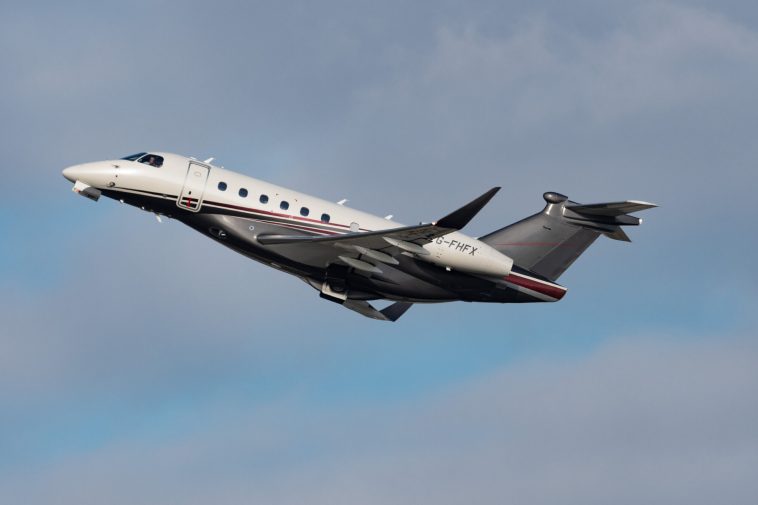

Redefining In-Flight Connectivity: Embraer’s Bold Move with Starlink
Embraer’s recent announcement to retrofit its Praetor and Legacy executive jets with Starlink satellite internet marks a pivotal moment in the evolution of in-flight connectivity. As an opinion editorial exploring this milestone, we will explore how this integration not only promises a seamless online experience at 35,000 feet but also sets new benchmarks in the aviation industry. This decision highlights a strategic blend of advanced technology, robust regulatory approval processes, and an expanding global market that is hungry for reliable, high-speed connectivity in the sky.
In this article, we will dig into how the partnership between Embraer and Nextant Aerospace, along with the role of Flexjet’s engineering expertise, is poised to deliver a truly transformative passenger experience. We will also examine the extensive certification process led by the FAA, as well as the expected endorsements from Brazil’s ANAC and the European EASA. The discussion will further cover how such bold moves may influence other aircraft manufacturers, push forward emerging technologies, and ultimately reshape the way executives and high-net-worth individuals experience travel.
Revolutionizing Executive Jet Connectivity
For many business leaders and frequent flyers, the idea of uninterrupted, high-speed internet during flight is not merely a luxury—it is a necessity. The integration of Starlink technology into Embraer’s Praetor and Legacy jets marks a significant upgrade from traditional connectivity systems. By utilizing a network of low Earth orbit (LEO) satellites, Starlink can deliver speeds that support everything from 4K video conferencing to secure VPN access in real time.
This leap in capability has major implications, especially for those on board executive jets where the need for productive use of time is paramount. Here are some key benefits brought forward by this innovation:
- Reliable, high-speed internet even when traversing remote regions
- Low-latency connections that enable real-time decision making
- Enhanced security, ensuring confidentiality for sensitive business communication
- The potential for a more engaging passenger experience with entertainment and real-time collaboration tools
The combination of these benefits makes it clear that Embraer’s push towards state-of-the-art connectivity is not simply about keeping up with technology trends—it is about meeting the growing demand for uninterrupted, super important connectivity in an increasingly digital and mobile environment.
Striking the Balance: Certification and Global Market Approvals
One of the critical steps in deploying such complex technology in an aircraft environment is meeting the multifaceted certification requirements imposed by regulatory bodies. The Starlink retrofit for the Praetor 500 and Legacy 450 jets has already received approval from the Federal Aviation Administration (FAA), underscoring its readiness for one of the largest markets in executive aviation—the United States.
This stringent certification process not only validates the technology but also highlights the confidence that the industry and regulators have in its safety and functionality. The FAA’s rigorous standards, known for their tricky parts and tangled issues, serve as a benchmark for what is expected in terms of reliability and safety from in-flight systems. Furthermore, as approvals from Brazil’s ANAC in Q4 2025 and the European EASA as early as 2026 are anticipated, it is clear that the integration is set to be embraced by a global market.
For many aviation industry veterans, the certification process might seem overwhelming, given the overwhelming amount of regulatory nuances. However, this step-by-step approach demonstrates a commitment to not only meeting but exceeding safety and performance standards—a key element in achieving widespread adoption.
The Partnership Dynamics: Embraer, Nextant Aerospace, and Flexjet
Behind the scenes, the collaboration between Embraer, Nextant Aerospace, and Flexjet is a testament to how industry leaders can work together to create groundbreaking technological solutions. Nextant Aerospace, the engineering division of Flexjet, has played a critical role in implementing the connectivity upgrade. With a deep understanding of the small yet challenging technical pieces involved in retrofitting aircraft, their expertise has been pivotal in ensuring that the integration process not only meets safety standards but also enhances the overall user experience.
Jay Heublein, President of Technical Services at Flexjet, noted that Starlink has become the leading inflight connectivity solution following over a year of operational experience and hundreds of kits sold. This success underscores the effectiveness of the collaborative development process, which has managed to tackle the often intimidating twists and turns associated with integrating new technologies into existing frameworks.
Such partnerships make it easier for the entire industry to find its way through the confusing bits of updating legacy systems. They also set a clear benchmarking pathway for other manufacturers who may be considering similar upgrades. In essence, the strategic alignment within the executive aviation sphere is likely to serve as a blueprint for future technological adoptions, combining industry know-how with advanced satellite communications.
Technology in the Clouds: Underpinning Next-Generation In-Flight Experience
The Starlink system operates by connecting to a fleet of LEO satellites. This revolutionary approach provides several super important technological advantages over traditional geostationary satellite systems. While older technology tends to suffer from higher latency and slower speeds, the low-orbit satellites are positioned closer to Earth, thereby significantly reducing delay. This technical characteristic means that businesses in motion can seamlessly use high-definition video conferencing, online gaming platforms, and secure data transfer protocols without interruption.
Furthermore, the high-speed, low-latency connection opens the door for advanced in-flight services, including:
- Real-time software updates and system diagnostics
- Enhanced entertainment options for passengers seeking to balance work and relaxation
- Instant communication with ground teams, thereby optimizing flight operations and logistics
These innovations not only boost the appeal for the executive segment but also bring about significant improvements in how airlines and aircraft operators manage their fleets. By providing passengers with a near-constant connectivity experience, airlines can streamline operations, minimize downtime, and potentially reduce costs related to data management and support services while they are airborne.
Meeting the Needs of a Digitally Driven World
In today’s global business environment, where every minute counts, solid in-flight connectivity is no longer a luxury—it is a necessity. The pressures of an increasingly digital marketplace require enterprises to remain constantly connected, whether at ground level or thousands of feet in the air. For many, jet travel is simply an extension of their office, and the ability to maintain productive work sessions is crucial.
Embraer’s move to integrate Starlink into its fleet is a direct response to these market dynamics. By offering a post-sale retrofit that prioritizes rapid, secure, and consistent connectivity, the company is meeting the evolving demands of a tech-savvy clientele. This retrofit strategy is particularly significant due to:
- Its tailored approach, ensuring that customers can upgrade after purchase
- The flexibility it offers to adapt to different aircraft models, such as the Praetor and Legacy jets
- The scalability that may allow for similar upgrades in a diverse fleet, including the upcoming STC for the Phenom 300
For business professionals, the ability to conduct high-quality video calls, access cloud services, and manage time-sensitive projects remotely is both key and reassuring. While some might worry about the initial complexity of integrating such systems, the confident approach taken by Embraer and its partners demonstrates that, when handled with expertise and diligence, even the most intimidating technical upgrades can be successfully implemented.
Future-Proofing Business Aviation: Economic and Strategic Implications
Embedding state-of-the-art connectivity solutions in executive jets is not only a technical upgrade—it has significant economic implications for the aviation sector. With the US market being one of the largest for executive aviation, obtaining FAA certification has long been a nerve-racking yet essential milestone. However, achieving this certification reinforces market trust and signals a readiness to cater to a clientele that seeks constant connectivity.
Looking forward, some of the major economic and strategic benefits include:
| Benefit | Description |
|---|---|
| Increased Market Value | Retrofitting jets with next-generation connectivity can raise the overall value of the aircraft and attract higher-end clientele. |
| Enhanced Customer Satisfaction | The seamless in-flight experience reassures business travelers, leading to better customer retention and positive word-of-mouth. |
| Operational Efficiencies | The improved connectivity can result in more efficient communication between the aircraft and ground operations, streamlining flight management. |
| Competitive Edge | Airlines and private jet operators that offer superior connectivity may stand out in a competitive market, attracting a broader segment of high-net-worth travelers. |
These factors contribute to the overall vitality of the aviation industry, as businesses increasingly see value not just in the aircraft itself but in the services and connectivity options that accompany it. By investing in Starlink technology, Embraer is effectively future-proofing its fleet against a rapidly evolving marketplace where digital connectivity is as critical as comfort and safety.
Understanding the Certification Process: A Closer Look at Regulatory Hurdles
Achieving regulatory approval for any new aviation technology is a task loaded with issues and tricky parts. The process of obtaining FAA certification for the retrofit of the Praetor 500 and Legacy 450 jets involved addressing many complicated pieces, from proving the system’s reliability during turbulence to ensuring that the installation does not interfere with other critical flight systems.
Regulatory bodies look at several key areas during certification:
- Safety Assurance: Demonstrating that the Starlink system poses no risk to flight safety is essential. This includes rigorous testing under various flight conditions to guarantee that the system remains stable and functional.
- Integration with Existing Systems: The fine points of ensuring that the retrofit does not disrupt the aircraft’s avionics and other onboard systems were carefully assessed. The goal is to make sure that the new technology coexists harmoniously with the flight deck’s established networks.
- Performance Verification: There is a need to verify that the satellite system consistently delivers low latency and high bandwidth throughout the flight, even under the tricky parts and twists and turns of different flight paths.
While the certification process can be off-putting to many operators due to its nerve-racking requirements, the successful approval by the FAA paves the way for future installations worldwide. This achievement highlights that, with persistence and expert collaboration, even the most intimidating certifications can be achieved.
Global Implementation: Tackling the Little Details for International Adoption
The rollout of Starlink connectivity in Embraer’s fleet is not confined to the US alone. With certification from Brazil’s ANAC expected in Q4 2025 and anticipated approval from the European Union Aviation Safety Agency (EASA) early next year, the global market is set to benefit from this next-generation connectivity.
International certifications present their own set of subtle parts and complicated pieces. Different regions have varying requirements that demand adjustments and additional testing. Key considerations in this international rollout include:
- Regional Compliance: Ensuring that the retrofit meets the standards and guidelines of multiple regulatory bodies around the world.
- Market Adaptability: Adjusting the installation process and subsequent support to cater to regional differences, such as climate variations and differing technical support infrastructures.
- Tailored Licensing and Agreements: Negotiating agreements that align with local market trends and legal frameworks, an off-putting task that requires delicate handling and a deep understanding of global trade policies.
By taking a well-rounded approach that addresses these small distinctions early on, Embraer and its partners are positioning themselves as leaders in a market that is continually evolving. The successful global rollout of such a sophisticated technology could very well set a trend for other sectors in transportation and mobility, where reliability and high-speed connectivity are increasingly seen as must-have additions.
Real-World Impact: Enhancing Passenger Experience and Business Operations
There is a growing consensus among aviation experts that high-speed internet during flight is not just about maintaining connectivity—it is about redefining the very nature of air travel. Business travelers and high-net-worth individuals have long expressed a desire for more from their in-flight experience, and Embraer’s retrofit strategy is tailored to meet these demands head-on.
Here are some tangible ways in which the integration of Starlink could impact passengers and operators:
- Boosted Productivity: For business travelers, every minute aboard is an opportunity to work efficiently. The ability to engage in real-time video conferences and access cloud-based platforms ensures that the office travels with them.
- Improved Entertainment Options: With high-speed internet, passengers can stream 4K video content, enjoy live TV, and access a wide range of multimedia content that enriches the in-flight experience.
- Heightened Security: The advanced security protocols that accompany modern connectivity systems help maintain data integrity and confidentiality, ensuring that sensitive personal and business information stays protected even when miles above the ground.
- Enhanced Operational Control: Airlines can benefit from real-time monitoring and data collection during flights, which can help optimize routes, improve fuel efficiency, and provide proactive maintenance alerts based on live performance data.
This multifaceted impact speaks volumes about how far the industry has come since the days when inflight mail was the pinnacle of connectivity. Starlink’s integration represents a significant step towards a future where the sky is not a barrier, but rather a conduit for seamless digital interaction.
The Broader Strategic Implications for the Aviation Sector
Beyond its immediate benefits, the integration of Starlink on Embraer jets raises some interesting strategic questions about the future of aviation. As connectivity becomes a key selling point, aircraft manufacturers and service providers will have to work through several tricky parts to remain competitive. These implications include:
- Technological Differentiation: Will similar retrofits become the norm? If so, what will set one manufacturer apart from another? The clear answer lies in the capability to integrate advanced systems with minimal disruption.
- Operational Efficiency: Enhanced connectivity might pave the way for more efficient flight operations, such as predictive maintenance, real-time performance tracking, and improved scheduling systems that rely on up-to-date data from the aircraft in motion.
- Customer Loyalty and Brand Perception: In a market where customer experience is king, providing a super important, reliable digital experience can translate directly into enhanced brand image and customer retention.
- Market Disruption: As this technology becomes more widespread, we could see a ripple effect that leads to a redefinition of how executive aviation markets itself and competes for high-end clientele. Airlines that are slow to adapt might find themselves struggling to maintain their competitive edge.
The movement towards advanced in-flight connectivity pushes everyone in the industry to take a closer look at the fine points of what customers now expect. In many ways, the infusion of Starlink technology is a wake-up call for the entire aviation sector: it’s time to figure a path through the small distinctions and technological twists if businesses wish to remain relevant in a digital age.
Charting the Path Forward: Addressing Challenges and Embracing Opportunities
As with any major technological shift, there are bound to be challenges along the way. Some of the confusing bits and overwhelming twists associated with integrating Starlink into existing aircraft infrastructure include:
- Installation Complexities: Each aircraft model presents its own set of technical puzzles, requiring tailored solutions that respect the unique design and engineering constraints of the Praetor, Legacy, or Phenom 300 series.
- Ensuring Consistent Quality: High-speed connectivity must be maintained regardless of flight conditions, weather variations, or interference from other onboard systems.
- Cost Considerations: While the benefits are clear, the pricing and timeline for wider rollouts remain a point of concern. Ensuring that these upgrades do not significantly affect the overall operating costs for jet owners is essential for long-term adoption.
- Training and Support: A new layer of technology requires new skills. Airlines and service providers will need to invest in training their teams to manage and troubleshoot these advanced systems effectively.
Despite these challenges, the opportunities presented by such an ambitious project are equally significant. Embracing this technology offers:
- Enhanced operational control and fleet management
- Opportunities for expanded service offerings that cater to a connected lifestyle
- A chance to lead the charge in modernizing the aviation experience for a global audience
Ultimately, the decision to revamp existing aircraft with next-generation connectivity reflects a broader trend in aviation: the move towards a digital, data-driven operational model. By addressing each intimidating aspect head-on and working through the little details, the industry is setting the stage for a future where even the most nerve-racking technical challenges are met with innovative solutions.
Industry Perspectives: Comparisons and Future Trends
The integration of Starlink into executive jets is prompting industry experts, aviation enthusiasts, and business leaders to take a closer look at the broader impacts of in-flight connectivity. When compared to traditional solutions, the use of LEO satellites brings forward several subtle details that set it apart:
- Speed and Responsiveness: Traditional geostationary systems often struggle with high latency. With Starlink’s LEO satellites, there is a clear improvement in data transmission times, which is essential for real-time applications.
- Network Resilience: The distributed nature of LEO satellite networks provides redundancy, meaning that if one satellite fails, others can pick up the slack. This back-up capability is a critical advantage when considering mission-critical communications and safety-related data transfers.
- Cost Efficiency: Although the initial retrofitting may seem like a significant investment, the long-term benefits—including fuel savings thanks to efficient in-flight routing and reduced downtime—may outweigh these initial costs.
Future trends in aircraft connectivity will likely build on these benefits, integrating machine learning algorithms to predict network performance, employing edge computing for data processing during flight, and even exploring augmented reality for passenger services onboard. As more aircraft adopt these technologies, the competitive landscape in executive aviation is likely to evolve, with connectivity becoming a key differentiator.
Personal Reflections: What This Means for Business Travelers and the Industry
In my view, Embraer’s integration of Starlink into its fleet is a clear indication that modern business travel is evolving rapidly. The enhanced connectivity provides a critical toolkit for executives who are increasingly required to stay engaged, regardless of location. Personally, I find the move exciting because it symbolizes an era where geographic boundaries blur in the digital age—where the office follows you, even at 35,000 feet.
For business travelers, it’s not just a matter of convenience but an essential evolution. Considering that much of today’s work relies on fast, reliable connections for everything from security to collaboration, I believe this patent-level shift in in-flight connectivity sets a standard that many will soon have to match. The promise of uninterrupted connectivity during flight might even influence future aircraft design, where digital infrastructure is built into the very framework of the airplane.
From an industry standpoint, this development could prove to be a catalyst for further innovations in air travel. As competitors look to catch up, we might see an acceleration in the adoption of newer, more advanced systems, sparking a virtuous cycle of technological improvements that benefit both operators and passengers alike.
Strategies for Success: Learning from Embraer’s Approach
Embraer’s success in integrating Starlink is not accidental—it reflects a carefully planned strategy that other players in the aviation industry can learn from. Here are a few strategic takeaways from this initiative:
- A Clear Vision: Embraer knew from the outset that in-flight connectivity had to be a priority. Their proactive approach in embracing next-generation satellite technology sets a clear example of visionary thinking.
- Collaboration Across Sectors: By teaming up with Nextant Aerospace and Flexjet, Embraer showcased the power of cross-industry collaboration. This joint effort not only streamlined the retrofit process but also pooled expertise from experts in aviation, engineering, and digital communications.
- Attention to Regulatory Demands: Successfully managing the nerve-racking certification processes across multiple regulatory bodies underscores the importance of understanding and addressing each of the fine points in aviation compliance.
- Commitment to Customer Experience: Putting passengers at the center of the innovation process ensured that the solution was designed with both technological and consumer satisfaction metrics in mind.
This strategic approach should serve as a roadmap for others in the industry. Whether it involves integrating emerging technologies or rethinking legacy systems, the key is to make strategic moves that are both innovative and deeply rooted in customer needs.
Conclusion: Taking Flight into a Digitally Connected Future
The journey towards a fully connected in-flight experience is one defined by overcoming tricky parts, tangled issues, and many overwhelming twists along the way. With Embraer’s leading-edge decision to retrofit its Praetor and Legacy jets with Starlink satellite internet, the stage is set for a new era in business aviation. This initiative not only enhances the travel experience for countless business travelers but also serves as a benchmark for the entire aviation industry’s digital transformation.
As we take a closer look at this innovation, its regulatory achievements, and strategic implications, it becomes clear that the integration of Starlink is not just a technical upgrade—it represents a paradigm shift in how we think about connectivity, productivity, and global communication. Through collaborative efforts, rigorous safety standards, and a commitment to constant improvement, the air travel landscape is poised to become as connected as the offices on the ground.
In a world where business operations move at the speed of data and decisions, having a super important, reliable and secure connection while in the air is becoming indispensable. Embraer’s move builds a compelling narrative about the future where the jet stream is not just a flow of air but a stream of unparalleled digital connectivity. For those navigating through the complicated pieces of modern business travel, this initiative offers a robust framework for how future innovations might tackle the tricky parts of technology integration.
Ultimately, the ripple effects of this integration are expected to reach far beyond executive jets. As technology continues to evolve, we can anticipate further convergence between mobility, digital innovation, and safety in many other sectors, including commercial airlines, industrial transport, and even emerging autonomous air mobility options. While there are still many tangled issues to address, the direction is unmistakable—our future will be defined by our ability to stay seamlessly connected, no matter where we are.
For aviation stakeholders, policy makers, and technology enthusiasts alike, this moment signals a turning point: one where robust in-flight connectivity transforms not just how we travel, but how we work, interact, and ultimately, how we shape the world from high above. The stars, quite literally, are the limit.
In wrapping up this discussion, I encourage readers to take a closer look at the collaborative spirit driving these developments. Whether you are an industry expert, a frequent flyer, or simply someone intrigued by the evolution of digital communications, Embraer’s endeavor to embed Starlink into its aircraft is a fascinating case study of how modern technology can revolutionize even the most traditional industries.
As we move into an era where digital connectivity defines success, the lessons learned from this integration will serve as a blueprint for managing your path through the many subtle details and small distinctions that come with groundbreaking innovation. With smart strategies, collaborative partnerships, and a relentless focus on customer experience, the future of air travel and business communications is undeniably bright.
The success of this initiative rests on the shoulders of everyone involved—from engineers and regulatory bodies to the end-user business traveler. By embracing the digital wave and converting even the most nerve-racking challenges into opportunities for growth, Embraer, Nextant Aerospace, and Flexjet have set a new standard that resonates across industries. Now, more than ever, the convergence of aviation and advanced connectivity presents an exciting glimpse of what the future holds for global business travel.
Originally Post From https://mexicobusiness.news/aerospace/news/embraer-add-starlink-internet-praetor-and-legacy-jets
Read more about this topic at
What to consider when upgrading an executive aircraft with …
6 Steps to Pick the Right Jet Connectivity Upgrade