
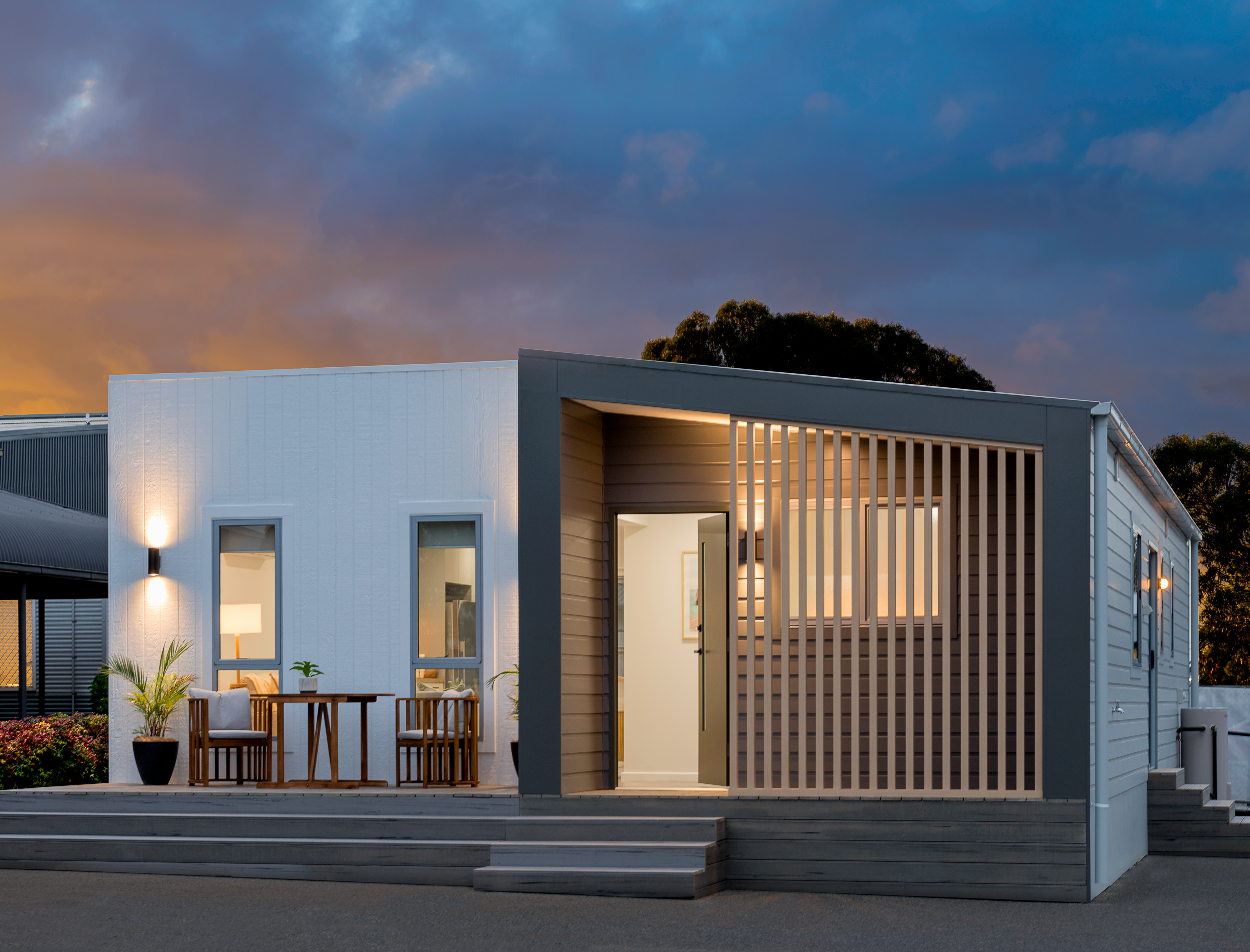
FBR Limited’s Bold Move to Tackle the NSW Housing Shortage
The recent signing of a non-binding Memorandum of Understanding (MOU) between FBR Limited and Fraser Lyne Constructions has captured attention across the construction and industrial technology sectors. This new agreement, centered on the sale of a Hadrian® unit, aims to play a part in easing New South Wales’ housing shortage—a challenge that has left many wondering how innovative technology can be woven into traditional industries to address pressing societal needs.
In this opinion editorial, we take a closer look at FBR Limited’s strategic move, its potential impact on the construction industry, and how high-tech innovations such as dynamically stabilized robots might be the key to bridging the gap between supply and demand in today’s competitive housing market.
Construction Technology Innovations to Handle Housing Demand
Over the last few years, the construction industry has seen a rising reliance on groundbreaking technologies in order to tackle the tricky parts of modern building challenges. FBR Limited stands out with its development of the Hadrian® bricklaying robot as well as Mantis™, a machine designed for high deposition welding. Both products, underpinned by Dynamic Stabilisation Technology®, are not only reshaping conventional construction methods but also paving the way for more sustainable and efficient building processes. This move, marked by their recent MOU, signals that robotics may soon become a mainstream solution in managing housing shortages.
Working with high-tech machines in construction can initially feel overwhelming for some industry players. Yet, if one takes a closer look, the benefits may far outweigh the nerve-racking concerns. FBR Limited’s approach can be seen as part of a broader trend in the construction sector: the integration of smart, automated systems to speed up production without compromising on quality or safety.
How Automation Can Transform Regional Construction Projects
At its core, automation in the construction field offers a pathway to manage tangled issues that have long slowed down traditional building processes. The introduction of robots such as Hadrian® in residential projects can help manage the following:
- Precision in bricklaying that reduces the likelihood of mistakes during the construction process
- Enhanced safety on the worksite by reducing the need for human labor in potentially risky tasks
- Shortened construction timelines due to the machine’s consistent performance irrespective of weather or fatigue
- Cost efficiency in the long run, as the initial investment in technology can lower labor costs and minimize errors
While these benefits are promising, it is important to also recognize that the transition into such technology is full of problems when it comes to integrating new methods with traditional building practices. Industry leaders must figure a path through these tricky parts and weigh the tangible benefits against the initial hesitation that accompanies any significant change in a time-tested field.
The Staged Transaction: A Closer Look at the Agreement Details
The MOU between FBR Limited and Fraser Lyne Constructions outlines a staged transaction with a purchase order worth A$7.8 million. This agreement, which also includes a machine warranty, defensive training, and support services, makes it clear that the involved parties are committed to achieving a long-term solution for the housing shortage in New South Wales. It’s a move that not only bolsters FBR’s standing in the industrial manufacturing sector but also offers a tangible output aimed at resolving regional housing issues.
In the current economic climate, where every dollar spent is scrutinized and every investment is carefully measured against its potential return, such an agreement stands out as a strategic one. It demonstrates a willingness to commit resources upfront to overcome the nerve-racking financial risks—risks that many see as part and parcel of stepping into new and not yet proven technologies.
This deal not only signifies FBR Limited’s growth strategy but also points to a broader shift in how technology is increasingly trusted to sort out the little details of construction processes. Here, the A$7.8 million agreement is more than just a casting of monetary values—it reflects a confidence in the idea that high-tech automation can ultimately deliver both quality and quantity in the face of a pressing housing shortage.
Key Milestones and Project Stages
To better understand the impact of this deal, it may help to break down the project into its component stages. The agreement is structured in phases, each designed to ensure a smooth transition into a more automated approach:
- Initial Purchase and Setup: The first phase involves the purchase and installation of the Hadrian® robot. This stage includes the commitment to quality assurance through machine warranties and is critical to ensuring that the unit meets all operational standards.
- Training and Support: A robust training program for the construction team is planned. This ensures that the staff can work efficiently alongside the robot, learning to operate and troubleshoot the machine as needed. Support services during this phase are essential to minimize missteps in the short run.
- Operational Integration: The final stage involves full-scale integration of the robot into live construction projects. Once fully operational, the technology promises to boost efficiency and set a precedent for future deals in automated construction solutions.
An overview of the phases might be summarized in a table for clarity:
| Stage | Description | Key Benefits |
|---|---|---|
| Initial Purchase and Setup | Procurement of the Hadrian® robot, installation, and preliminary testing. | Ensures reliable performance from the start with warranty coverage. |
| Training and Support | Comprehensive training for staff and fallback support services. | Minimizes the nerve-wracking challenges associated with new technology deployment. |
| Operational Integration | Full adoption of the robotic solution in construction projects. | Leads to increased project efficiency and higher-quality constructions. |
Understanding the Role of Robotics in Modern Construction
As we take a closer look at FBR Limited’s efforts, it is clear that robotics have already begun to reshape many traditional industries. The Hadrian® bricklaying robot, for instance, offers an innovative approach to repetitive tasks that have long been the source of tangled issues in construction. By automating a process that was once labor-intensive, FBR is looking to revolutionize the way walls are built, ensuring consistency and quality control are maintained at every step.
Modern robotics can help steer through the twists and turns of the construction process by eliminating human error and increasing overall productivity. But like any new technology, there are complicated pieces that need to be hammered out, especially when it comes to integrating human skill with machine precision.
Some crucial factors to consider include:
- Reliability of robotics systems over long-term use in varied weather and environmental conditions
- Cost of maintenance and upgrades compared to traditional construction methods
- Integration of robotics with on-site safety protocols and human oversight
- The adaptability of current construction teams to work with sophisticated automated machines
This integration is not without its challenges. For many construction firms, investing in such solutions entails a balancing act—on one hand, the promise of improved efficiency and cost savings; on the other, the nerve-wracking transition period during which systems are updated and staff are re-trained. However, early adopters of robotics such as FBR Limited are proving that these initial hurdles can be managed with careful planning and gradual integration.
Small Businesses and Industrial Manufacturing: Shaping the Future of Housing
The implications of this agreement extend beyond the realm of high-tech robots. For small businesses, particularly those in the manufacturing and construction sectors, the adoption of such advanced technologies could signal a shift in operational paradigms. As more companies investigate ways to eliminate the confusing bits of manual construction, the efficiency and profitability of these small firms may see a dramatic upturn.
In the context of small business, the advantage of incorporating robotics lies in their ability to make labor-intensive tasks more manageable. It can be intimidating to take a risk on a new technology—especially one that may initially look off-putting due to its advanced mechanics. Yet, for those small businesses prepared to make the leap, the potential benefits include greater consistency, reduced waste, and the ability to compete on a larger scale against companies that rely solely on human labor.
Moreover, this blending of industrial manufacturing with construction innovation may lead to the emergence of new business models that emphasize symbiosis between human expertise and robotic efficiency. Some small businesses could even pivot to become service providers for these technologies, offering support, training, and integration services to construction firms looking to embrace automation.
Key Advantages for Small Business Owners in Adopting Robotic Solutions
Robotic solutions offer several compelling benefits for small business owners, which include:
- Enhanced Productivity: Machines can work tirelessly without the need for breaks, ensuring that projects progress at a steady, predictable pace.
- Improved Quality: Automation brings in a level of precision that is hard to match with manual labor alone, leading to fewer mistakes and lower rework costs.
- Cost Savings: Over time, the reduction in labor costs and increased efficiency can translate into significant savings that bolster a company’s bottom line.
- Competitive Edge: By adopting modern technology, companies can differentiate themselves in a market often loaded with traditionally run businesses.
Small business owners must weigh these advantages against the challenges of integrating new technology. It is super important to thoroughly assess both the immediate and long-term impacts on productivity, workforce management, and overall project costs. In doing so, they can find their way through the initial hurdles and eventually reap the rewards promised by automation.
Industrial Manufacturing and the Shift Towards Automation
FBR Limited’s move is a microcosm of a larger trend in industrial manufacturing: the pivot towards automation to manage the little twists and turns of both production and construction processes. As companies across the industrial sector evaluate their operations, it has become apparent that embracing robotics could offer a more scalable and sustainable future.
For manufacturers, embracing robotics means they are not only investing in cutting-edge technology—they are also pioneering processes that could lower operational costs, improve accuracy, and significantly shorten project timelines. As production cycles become leaner and more efficient, the overall output can increase without a corresponding spike in labor costs.
This transition is not entirely without its challenges. Integrating robotics into existing production lines requires thoughtful planning and a willingness to navigate through tangled issues that can arise from mismatched legacy systems. However, by adopting a phased strategy similar to the one delineated in the FBR agreement, manufacturing firms can manage these challenges effectively.
The impact on industrial manufacturing can be summarized in several key areas:
- Streamlined Operations: Robotics automate repetitive tasks that are prone to human error, ensuring a smoother production process.
- Increased Output: Machines can operate continuously, thus increasing the overall production capacity without additional labor expenses.
- Improved Safety Standards: By handling hazardous tasks, robots reduce the risk of workplace injuries, an important consideration for both manufacturers and their insurance costs.
- Sustainable Practices: Automation can lead to less waste and more energy-efficient production methods, aligning with green initiatives that are critical in today’s business landscape.
Table: Comparing Traditional vs. Robotic Approaches in Industrial Manufacturing
| Aspect | Traditional Approach | Robotic Approach |
|---|---|---|
| Productivity | Variable, dependent on human factors | Consistent and high, not affected by fatigue |
| Quality Control | Susceptible to human error | High precision, minimizing mistakes |
| Operational Costs | High labor and training costs | Higher initial investment but lower long-term expenses |
| Flexibility | High flexibility with human intervention | Dependent on programming and updates |
| Safety | Risk of accidents due to human error | Improved safety with robots handling dangerous tasks |
Bridging the Gap Between Innovation and Practical Application
Implementing advanced technology in the construction industry can seem like a nerve-wracking process filled with fine points that need careful adjustment. However, FBR Limited’s MOU with Fraser Lyne Constructions offers a promising model for how technological innovation can be harmoniously integrated into a sector traditionally dominated by manual labor and on-the-ground know-how.
The opportunity to integrate automated systems into residential construction involves several subtle parts that must be managed with a blend of tech-savvy know-how and time-tested construction expertise. Even though the transition may be intimidating for some, industry analysts believe that such moves are critical steps toward modernizing construction practices and ultimately addressing issues like the housing shortage in key regions such as New South Wales.
This kind of strategic partnership between tech companies and construction firms helps make the case that modern innovation is more than just a futuristic idea—it is an essential tool in dealing with the challenges of today’s rapidly changing world. With rising property demands, particularly in fast-growing urban areas, any proposal that helps sort out the small distinctions between automated and manual methods deserves close attention.
Strategies for a Smooth Transition to Robotic-Based Construction
For stakeholders contemplating the shift towards automated construction, here are several strategies that can ease the change:
- Early Adoption and Pilot Programs: Start with small-scale projects that allow teams to experiment with the robot’s capabilities before full-scale adoption.
- Comprehensive Training Sessions: Develop training programs that combine the human touch with machine precision, ensuring that onsite teams understand both the operations and the troubleshooting techniques.
- Gradual Integration: Rather than a sudden overhaul, implement robotic solutions incrementally. This helps manage the nerve-wracking transition by allowing time to adjust operational procedures.
- Partnerships with Tech Experts: Collaborate with technology providers who have a robust track record in industrial automation to minimize the risk of technical hiccups.
Economic Implications and Business Tax Considerations
Beyond the technological appeal, the economic implications of such transformative deals are ticklish areas that business owners need to scrutinize. With the implementation of advanced robotics in sectors like construction and manufacturing, there are considerable tax and financial planning issues to consider. These can include incentives for adopting new technology, potential write-offs, and even changes in depreciation schedules for equipment.
For many companies—especially small businesses—the thought of integrating expensive, high-tech machinery can be off-putting. Yet, these investments may also unlock significant tax benefits, if properly structured through applicable business tax laws. It is important for companies to dive in and closely assess these financial angles. Staying informed and working with financial advisors to sort out the confusing bits of the tax landscape is essential for long-term profitability.
Here are a few key economic factors to keep in mind:
- Capital Investment Deductions: Many governments offer deductions for capital investments in innovative technology, helping offset the initial cost burden.
- Depreciation Regimes: Accelerated depreciation on automated machinery can lead to reduced taxable income over the early years of operation.
- Research and Development Credits: Companies investing in cutting-edge solutions may be eligible for R&D tax credits, further easing financial pressures.
- Shift in Labor Costs: Although labor expenses may decrease, companies should plan for potential increases in maintenance and technical support costs.
Table: Economic Benefits of Automation in Construction
| Economic Benefit | Description |
|---|---|
| Tax Incentives | Capital deductions and R&D credits that help reduce taxable income. |
| Operational Savings | Long-term reduction in labor costs along with enhanced productivity. |
| Asset Depreciation | Favorable depreciation schedules that allow faster cost recovery. |
| Competitive Edge | Ability to invest more in innovation and market growth thanks to reduced operating costs. |
Public-Private Partnerships: Driving Change in Regional Projects
The scope of FBR Limited’s agreement extends beyond its corporate interests. It resonates with a broader movement in which public-private partnerships are emerging as key to addressing societal issues such as regional housing shortages. By establishing agreements that integrate innovative construction technology into public projects, companies like FBR Limited, along with their construction partners, can create a template for future collaborations.
Such partnerships are full of both promise and pitfalls. They must sort out the many tangled issues associated with aligning private sector innovation with public policy frameworks. Yet when managed effectively, these alliances can lead to notable improvements in infrastructure, quality of life, and overall economic stability in regions facing developmental challenges.
Key elements of successful public-private partnerships include:
- Clear contractual terms and well-defined milestones
- Reliable frameworks for accountability and progress tracking
- A shared vision to address community needs, such as housing shortages
- Robust risk management plans that address both technological and economic challenges
Opinions on the Strategic Importance of the FBR Limited Agreement
The FBR Limited MOU is not just a regular business deal—it’s a signal that the construction and manufacturing industries are ready to embrace change, even if the path is loaded with issues and nerve-wracking challenges. The integration of a bricklaying robot into mainstream construction practices may serve as a bellwether for an era in which technology plays an increasingly critical role in solving age-old problems like housing shortages.
Those who watch the market closely may note that although the transition may seem intimidating due to the twists and turns involved in merging automated processes with traditional work, the potential for significant improvements in efficiency and quality is enormous. Such moves could eventually reduce the cost of home ownership and lead to faster, safer construction timelines.
Takeaways for Investors and Industry Stakeholders
For investors and industry stakeholders alike, the FBR Limited move provides several crucial insights into the future of construction and industrial manufacturing:
- Innovative Technology as a Competitive Edge: Embracing robotics in construction could significantly raise the bar in quality and efficiency.
- Strategic Investment Opportunities: With potential tax benefits and operational savings, investments in high-tech solutions may offer attractive returns over the long term.
- Public-Private Collaboration: Successful partnerships between government initiatives and private companies can serve as powerful models for addressing regional challenges.
- Future-Proofing Operations: Companies that adopt automation early are likely to position themselves ahead of competitors and better handle the dynamic economic landscape.
Industry experts argue that these moves are not only critical for addressing current market demands but are also super important to ensure a sustainable, innovative future in a sector long dependent on conventional methods. In this light, FBR Limited’s agreement represents not just a financial transaction but a pivotal commitment to rethinking construction practices for the 21st century.
Looking Ahead: The Future of Robotics in Construction and Beyond
As we poke around into the future, it becomes clear that the integration of robotics into construction is more than just a trend—it is an evolution in how we build, create, and ultimately, solve community issues such as the housing shortage. Companies like FBR Limited are at the forefront of this revolution, signaling that even well-established sectors can benefit from innovative, automated solutions.
This transformation carries a message for all industry stakeholders: adjust your strategies, invest in modern technology, and prepare to work through the tangled issues that come with change. While the journey may be intimidating at times, the long-term benefits—enhanced productivity, improved safety, and wider access to affordable housing—are outcomes worth striving for.
There are also broader implications for society at large. The application of robotics in building homes not only promises economic efficiency but also aligns with sustainability goals. With rising global concerns about environmental impacts and resource consumption, embracing automation in construction could lead to more responsible and efficient building practices.
Essential Considerations for the Road Ahead
Here are some key few points to consider for anyone interested in the future impact of robotics in construction and industrial manufacturing:
- Integration Challenges: Though the initial process may seem overwhelming, successful integration will depend on ongoing training, strategic partnerships, and continuous technological improvements.
- Economic Impact: Lower labor costs, potential tax benefits, and increased efficiency can create a ripple effect that benefits not just individual companies, but the broader economy.
- Regulatory and Tax Landscape: It is imperative that policies evolve in parallel with rapid technological advancements to provide a clear framework for adoption and investment.
- Sustainability: Future construction projects could see significant improvements in energy and resource efficiency through technology-enhanced practices.
Conclusion: A Critical Turning Point in Construction and Manufacturing
The MOU signed by FBR Limited and Fraser Lyne Constructions represents a pivotal moment for the construction industry, where high-tech robotics and traditional building methods converge to address a long-standing challenge: the housing shortage in New South Wales. While the transition into automation is filled with tricky parts and nerve-wracking twists, the commitment to evolving beyond conventional practices is a super important step towards a more efficient, sustainable, and economically viable future.
For industry insiders, investors, and small business owners alike, this deal serves as a powerful reminder that innovative technology can offer real, tangible benefits. It is a call to figure a path through the complicated pieces of adopting new technology, one that could eventually lead to widespread improvements in construction, manufacturing, and housing affordability.
As we move forward, embracing the synergy between human expertise and robotic precision will be key. The FBR Limited agreement not only offers a snapshot of current innovation but also sets a benchmark for what the future of automated construction could look like. By taking bold steps, stakeholders have the opportunity to reshape industries in ways that were once unimaginable.
In conclusion, while the shift towards automation may be intimidating for those rooted in traditional methods, the long-term promise of improved efficiency, enhanced quality, and sustainable growth presents a compelling case. The evolution underway in construction and industrial manufacturing is a reminder that progress often entails navigating through a labyrinth of small distinctions and subtle details, ultimately opening new doors to a brighter future in how we build our communities.
Originally Post From https://www.tipranks.com/news/company-announcements/fbr-limited-signs-mou-for-hadrian-unit-sale-to-address-nsw-housing-shortage
Read more about this topic at
Don’t Bet Your House on the Robot Revolution, Yet
Icon 3D-printed houses are leading a revolution in real estate
