Metal Fabrication: A Transformative Frontier in Global Manufacturing
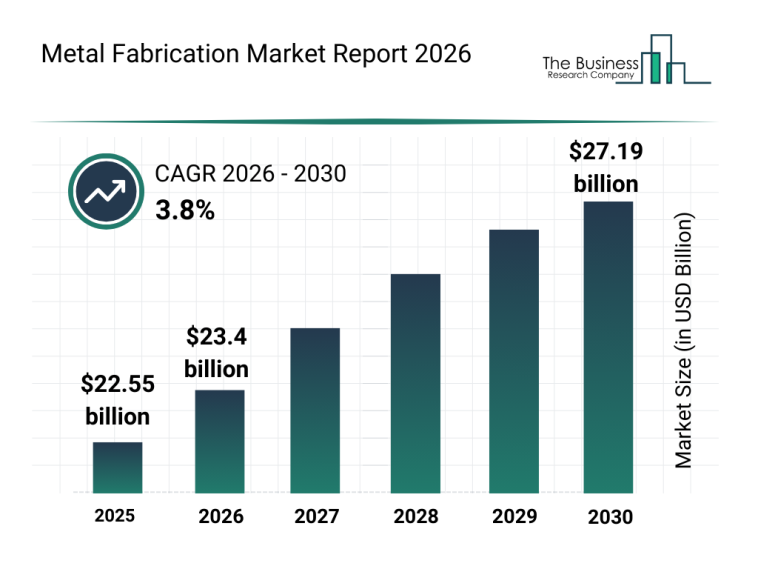
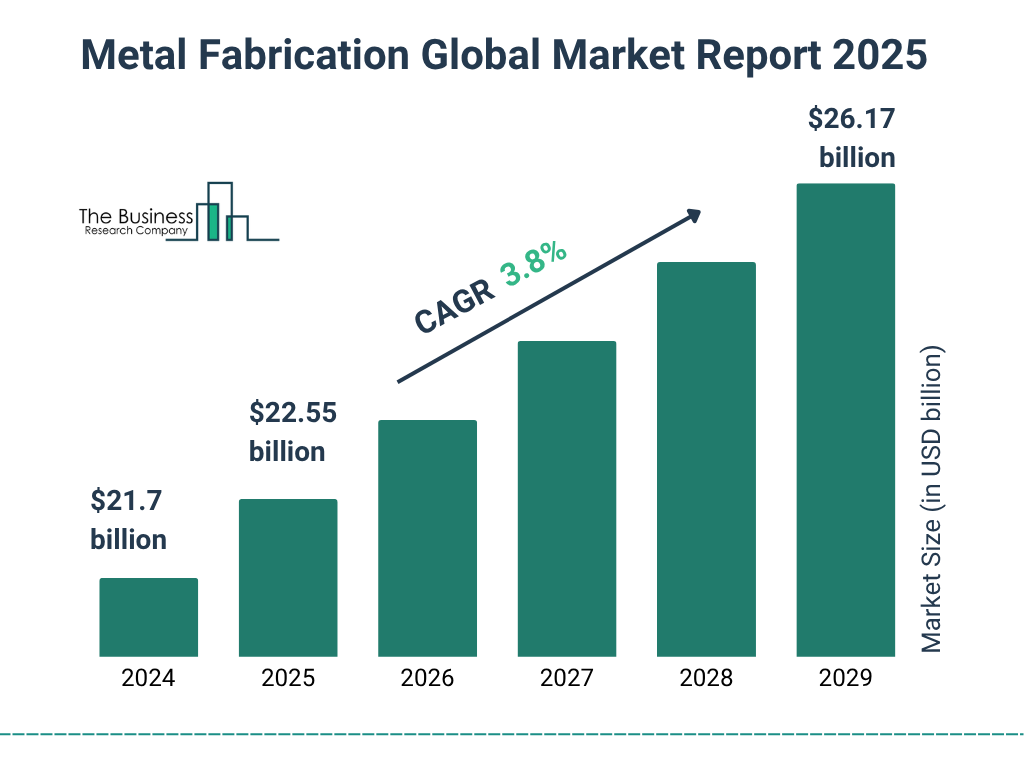
The rapidly evolving global metal fabrication market represents a monumental shift in how industries build, innovate, and manufacture. With an impressive valuation of USD 22.48 billion in 2024 and an anticipated leap to USD 32.47 billion by 2032—a compound annual growth rate of 4.7%—this sector has captured the attention of manufacturers, technology experts, and business strategists alike. In this opinion editorial, we take a closer look at the current state of the industry, the driving forces behind its rapid change, and the fine points that industry stakeholders must consider as they work through the evolving landscape.
From automotive to aerospace, construction to electronics, metal fabrication has embedded itself as an essential piece of the modern industrial puzzle. In many ways, the metal fabrication market has become a mirror of global economic activity, reflecting both the innovative use of advanced technologies and the challenging twists and turns of supply chain, labor, and regulatory environments.
Understanding the Metal Fabrication Landscape Today
At its core, metal fabrication is the process of cutting, shaping, and assembling metal components to create finished products or structural elements. Whether through welding, machining, stamping, or other cutting techniques, the industry relies on precise and efficient methods to deliver high-quality outputs. In simple terms, it is the backbone of modern manufacturing that underpins the production of vehicles, airplanes, buildings, and a host of mechanical devices.
Industry data suggest that strong growth in the sector is partly due to the increasing demand for precise metal components. As manufacturing becomes more technologically driven, the need for precision combined with the integration of smart tools and robotics has catapulted the role of metal fabricators to new heights. This transformation is not without its challenges, as companies must figure a path through tricky parts such as fluctuating raw material prices, skill shortages, and the ever-present competition from emerging technologies like additive manufacturing.
For many, the metal fabrication market is a labyrinth of complicated pieces, where the hidden complexities of modern production meet consumer demand for sustainability and efficiency. It is a market that calls for strategic investment, persistent innovation, and a forward-thinking approach to overcoming the nerve-racking elements posed by rapid technological changes and global supply pressures.
Driving Forces: Automation, Robotics, and Technological Integration
Among the key factors propelling the metal fabrication market forward is the seamless integration of automation and robotics. In a world where even the smallest twist and turn of technological progress can open new avenues for efficiency, metal fabricators are increasingly relying on computer-controlled machinery, digital interfaces, and advanced robotics to push the envelope of what is achievable.
Automation offers several attractive benefits:
- Increased Precision: Automated systems reduce the risk of human error, ensuring that measurements and cuts are exact, which is crucial for industries that demand the fine points of engineering excellence.
- Enhanced Productivity: Robots work tirelessly and consistently, leading to faster production cycles and lower turnaround times.
- Improved Safety: Machines often handle dangerous tasks, reducing workplace injuries and allowing human workers to focus on design and oversight.
- Cost Efficiency: Over time, although initial investment might seem off-putting, the reduction in waste and improved output quality justify the cost, making it a super important asset for competitive advantage.
Notably, the integration of computer-aided manufacturing (CAM) systems and sophisticated robotics offers manufacturers the ability to get into a space where the little details of the production process are finely tuned. This level of precision is not only reshaping metal fabrication practices but also setting new industry standards in production efficiency and product quality.
Overcoming the Skill Gap: Addressing Labor Challenges in Metal Fabrication
While technological integration brings many benefits, it also poses a tricky problem at its core: the shortage of skilled labor. As metal fabrication processes become more reliant on sophisticated machinery and digital systems, the workforce is required to adapt quickly. Many traditional fabricators face a nerve-racking challenge as they work to retrain employees or compete with an increasingly competitive market for technically proficient workers.
Here are some of the key issues related to the labor market in metal fabrication:
- Changing Skill Requirements: Technicians must now be comfortable with both hands-on fabrication and digital controls, requiring a new mix of skills that merge traditional metalworking with computer technology.
- Training and Development: Continuous investment in training programs becomes essential as the industry shifts towards smarter, more automated tools.
- Talent Retention: With rapid technological growth, retaining experienced professionals who can mentor the next generation of skilled workers is on edge.
- Workforce Transition: Many older fabricators may find themselves having to dip into new realms, a process that can feel daunting when faced with the unfamiliar terrain of modern tech.
Industry leaders are increasingly turning to partnerships with educational institutions and government-led initiatives in order to bolster the technical skill base. The goal is to make sure that while industry growth is exotic and advanced, the people behind the machines are equally well-prepared to steer through the challenging parts of this transition.
Regional Dynamics: How Geography Shapes the Market
The global nature of the metal fabrication market means that geographical and regional factors play a super important role in its evolution. The Asia Pacific region, for instance, has emerged as a dominant force. Fueled by rapid industrialization, soaring automotive production, and supportive national policies such as “Make in India” and “Made in China 2025,” this area holds the largest market share as of 2024.
Other regions, such as North America and Europe, are steadily making progress as well. They are known for the strong adoption of automated fabrication services and the incorporation of high-tech machinery into their production lines. While each geographic area faces its own set of confusing bits and challenges, the combined global momentum is undeniable:
- Asia Pacific: Fast-paced industrial growth and significant government backing help maintain robust market expansion.
- North America: Heavy investment in automated techniques and digital management systems ensures competitive efficiency.
- Europe: Focus on high-quality production standards and sustainability initiatives drives steady market growth.
A comparative table of key regional factors highlights these considerations:
| Region | Key Drivers | Main Challenges |
|---|---|---|
| Asia Pacific | Rapid industrialization, government initiatives, rising automotive demand | Raw material price fluctuations, skill gaps |
| North America | Advanced automation, digital integration, robust R&D | High labor costs, stringent regulations |
| Europe | Sustainability practices, precision fabrication, quality control | Regulatory compliance, market saturation |
This global spread not only displays the varied economic conditions in different parts of the world but also sheds light on how manufacturers can manage their way through local challenges while staying compatible with global technological trends.
Emerging Technologies: The Shift Toward Industry 4.0 and Additive Manufacturing
The industrial world is on the brink of a dramatic shift. With the introduction of Industry 4.0 concepts, the metal fabrication market is getting a new lease on life, characterized by increased connectivity, data-driven process optimization, and an emphasis on smart manufacturing. Industry experts are now diving in to explore how digitalization can significantly enhance process efficiency and product quality.
One of the most exciting trends in this landscape is the advent of additive manufacturing, often referred to as 3D metal printing. Unlike traditional fabrication methods, additive manufacturing builds structures layer by layer, allowing for unique geometries that are often difficult—if not impossible—to achieve with conventional techniques. This technology offers both flexibility and speed, enabling fast prototyping and production runs, which can be a game changer in industries ranging from aerospace to medical devices.
Key features of these emerging technologies include:
- Predictive Maintenance: Smart factories use sensor data to forecast equipment failures, cutting downtime significantly.
- Real-Time Data Analysis: Machine learning and AI help in analyzing production data to quickly adjust processes for optimal performance.
- Scalability: Digital manufacturing methods allow companies of all sizes to scale production rapidly without compromising on quality.
While embracing such advancements, companies must also manage through the tricky parts of integration. Balancing the legacy systems with cutting-edge technology requires careful planning and strategic resource allocation, a process that many businesses find both challenging and, at times, intimidating.
Environmental Sustainability and the Move Toward Lightweight Materials
In our modern era, sustainability is not just a buzzword—it is a super important strategic priority. Industries are increasingly under pressure to reduce their environmental footprint. Metal fabrication, with its extensive use of raw materials and energy, is no exception.
The future of metal production is seeing a marked shift toward using lightweight materials like aluminum and advanced alloys. These materials offer numerous benefits:
- Reduced Energy Consumption: Lightweight metals require less energy to process and produce, contributing to more sustainable operations.
- Improved Efficiency: In applications such as automotive manufacturing, the reduction in weight directly translates to better fuel efficiency and lower emissions.
- Enhanced Performance: Lighter materials often bring better performance metrics in industries where precision and strength are equally critical.
This focus on eco-friendly initiatives is not without its own set of tricky parts. Manufacturers must make your way through the challenges of sourcing sustainably while maintaining the delicate balance between cost and quality. Additionally, the transition to new materials often involves retooling manufacturing processes, which can be both overwhelming and expensive in the short term. However, when managed correctly, these changes can lead to significant long-term benefits for both the industry and the environment.
Legal Considerations and Data Processing in a Digital Age
In today’s digital world, even the metal fabrication industry, deeply rooted in physical processes, is not insulated from developments in data processing and privacy regulation. Modern manufacturing increasingly relies on digital platforms to manage everything from production scheduling to inventory control and customer interactions. This shift not only boosts efficiency but also raises important considerations regarding data handling and user privacy.
The use of cookies and data processing, for example, is a necessary component for integrating third-party services and advanced analytics. Modern web practices require companies to be transparent about collecting data from end devices. When users click an “Accept All” option, they agree to data collection that can range from content integration to statistical analysis and even personalized advertising. Although this kind of data sharing with third parties, sometimes even with partners in regions like the USA, poses a risk of unintended monitoring by authorities, it remains an essential part of the digital transformation journey.
Companies in the metal fabrication market, much like any other technologically advanced industry, must reconcile the fine points of operational efficiency with the legal and ethical aspects of data management. The intricate relationship between technology adoption and user privacy underscores that even sectors traditionally seen as industrial are increasingly intertwined with modern digital concerns.
Market Outlook: Future Trends and Strategic Positioning
Looking ahead, the metal fabrication market holds tremendous promise, but not without its share of challenging parts and hidden complexities. Several trends are poised to shape the future landscape:
- Enhanced Automation: As factories move closer to the concept of smart manufacturing, the further integration of robotics and AI-driven systems will reduce waste and improve production timelines.
- Data-Driven Decision Making: Harnessing real-time data for process optimization, predictive maintenance, and quality control will become super important. Companies that successfully use digital dashboards and analytics tools are expected to lead the competition.
- Sustainable Practices: Innovation in material science, coupled with a push for environmental responsibility, will force fabricators to explore energy-efficient processes and sustainable raw material sourcing.
- Diverse Market Applications: With growth in industry sectors such as automotive, aerospace, and energy, the metal fabrication market is set to experience a broader application of its services. This will require manufacturers to adopt flexible production techniques and refine their customer engagement strategies.
Businesses will need to make their way through a series of challenging aspects, including fluctuating prices of raw materials and regulatory changes that affect production standards. Strategic positioning will be on edge—manufacturers who can balance modern technological integration with cost control strategies will ultimately find a competitive advantage.
A snapshot of the future outlook may be summarized as follows:
| Future Trend | Potential Impact | Strategic Considerations |
|---|---|---|
| Automation & Robotics | Increased precision, faster output, enhanced safety | Investment in training, ROI analysis, technology partnerships |
| Data-Driven Manufacturing | Improved decision-making, predictive maintenance | Implementation of IoT systems and analytics platforms |
| Sustainability Efforts | Lower environmental footprint, compliance with green regulations | Rethinking material sourcing, energy consumption optimization |
| Additive Manufacturing | Rapid prototyping, innovative design capabilities | Integration with existing production lines, quality control |
This table highlights how different elements of the market will interact and the strategic considerations that manufacturers must emphasize as they work through both traditional and emerging methodologies.
Market Challenges: Balancing Innovation with Traditional Methods
Every industry faces its own share of tricky parts, and metal fabrication is no exception. Traditional methods have long provided the foundation for reliable manufacturing, but they are increasingly complemented—and sometimes challenged—by modern, technology-driven techniques. Companies must take a closer look at how best to merge the old with the new.
Some of the key challenges include:
- Integrating New Technologies: The transition from manual processes to automated systems is a process that requires companies to sort out legacy issues while simultaneously adopting modern practices. This can be overwhelming for organizations that have long relied on tried-and-tested methods.
- Managing Raw Material Costs: Price fluctuations in essential materials such as steel and aluminum can significantly affect profit margins. Manufacturers need agile strategies for inventory management and supplier negotiations.
- Adapting to Changing Customer Expectations: As consumers become more environmentally conscious and demand higher precision in custom parts, fabricators must adjust their processes to meet these fine shades of consumer expectations.
- Regulatory Compliance: Compliance with local and international regulations, whether in environmental standards or data privacy, demands constant vigilance and adaptation—a task that can feel both intimidating and nerve-racking.
Industry leaders are working through these challenges by investing in cross-functional teams that combine engineering know-how with digital expertise. By encouraging collaboration across departments, companies are learning to figure a path through the sometimes conflicting demands of traditional craftsmanship and modern technological demands.
Strategic Investment: The Role of Research and Development
Innovation in the metal fabrication market is not an impulsive accident; it is a product of searching for new methods and investing in research and development (R&D). Companies that commit a significant portion of their resources to R&D are reaping the benefits through improved processes, innovative solutions, and better quality products.
Robust R&D investments contribute in several ways:
- Process Optimization: Extensive research into production techniques helps reduce waste and improve efficiency, enabling manufacturers to sustain competitive margins.
- New Material Development: Advancements in alloy technology and lightweight materials allow fabricators to produce components that are both durable and energy-efficient.
- Digital Integration: Investment in software and IoT devices helps manufacturers quickly adapt to the digital demands of Industry 4.0, ensuring that they are keeping pace with the evolving digital landscape.
- Market Adaptation: Ongoing research into consumer trends and regulatory changes helps companies figure a path through policy updates and market shifts, making them more resilient in the long term.
This commitment to innovation not only strengthens the industry’s foundation but also equips it to handle the slight differences that emerge from integrating traditional manufacturing methods with modern solutions. In essence, ongoing R&D is a must-have component for companies that aim to remain competitive in a global market that is loaded with issues and ever-evolving technical demands.
Integrating Digital Consent and Ethical Data Management in Industrial Operations
While the focus of metal fabrication each day is on the physical transformation of raw materials into finished products, companies are also grappling with problems on the digital front. With an increasing dependence on digital tools and online platforms to manage operations—from production scheduling to customer engagement—the ethical use of data has become a key concern.
A good example is the prevailing use of cookie consent mechanisms on company websites. These systems ensure that users are aware of data processing practices, which may include tracking, personalized advertising, and statistical analysis. It might seem like a distant issue from the metal fabrication floor, yet the requirement to secure consent and manage data properly mirrors the overall need for transparency in business practices.
Key aspects of ethical data management in the digital realm include:
- Transparency: Clearly communicating how data is collected, processed, and shared is critical for maintaining trust among users and clients alike.
- User Control: Allowing users to opt in or out of data processing ensures that companies respect individual privacy preferences while still benefiting from data analytics where permitted.
- Security Measures: Robust security protocols are needed to protect sensitive data, especially when third-party services, sometimes in remote locations, are involved.
- Regulatory Compliance: Adhering to established guidelines and policies, much like those found in data privacy laws, ensures that companies avoid legal pitfalls and maintain ethical standards.
This delicate balance of digital consent and data management is a microcosm of the broader challenge facing the metal fabrication market: finding your way through the maze of modern technological demands while staying rooted in trust, quality, and ethical practices.
The Broader Impact: Metal Fabrication’s Role in Economic and Industrial Growth
Beyond the internal technical upgrades and the impressive market numbers, the metal fabrication sector exerts an outsized influence on national and global economies. Due to its interlinked role in numerous other industries, any improvement or setback in metal fabrication has a ripple effect, influencing everything from automotive production to energy infrastructure and construction developments.
Key benefits of a thriving metal fabrication market include:
- Job Creation: The growth in the sector stimulates demand for both highly technical roles and supporting positions, making it a significant contributor to employment.
- Technological Spillover: Innovations in metal processing often see applications in other fields—including electronics, healthcare, and renewable energy—making advances in one area beneficial for many.
- Supply Chain Optimization: A robust fabrication market ensures that industries such as aerospace and automotive have a reliable supply of custom components critical to their operations.
- Economic Stability: As the backbone of a range of downstream industries, metal fabrication helps to maintain a stable industrial environment, even if some sectors experience turbulence.
By understanding the interdependence between metal production and overall economic growth, policymakers and industry leaders can figure a path through the distracting bits of short-term challenges to focus on long-term strategies. The cross-sector influence of metal fabrication is a reminder that even a seemingly isolated industrial segment can have far-reaching implications for a country’s economic trajectory.
Case Studies: Innovations and Success Stories in Metal Fabrication
Across the globe, several companies exemplify how effectively integrating advanced manufacturing techniques with traditional methods can result in impressive growth and market leadership. Consider the case of firms based in Asia Pacific, North America, and Europe that have embraced automation and exceptional digital integration.
For instance, companies like Yamazaki Mazak and Danieli have invested heavily in smart machining centers, demonstrating that pairing sophisticated robotics with rigorous process controls can produce both high-quality products and significant cost efficiencies. These companies have managed to work through the tangled issues of legacy systems and evolving consumer demands, earning their place among the top players in a market that is constantly advancing.
Other noteworthy examples include manufacturers who have successfully incorporated additive manufacturing into their production lines, resulting in a diversified portfolio that includes laser cutting, 3D metal printing, and even computer-aided design (CAD) integrated systems. These success stories illustrate how a proactive approach to R&D and technology adoption can energize the entire supply chain, benefiting not just the companies but their entire network of partners and stakeholders.
Some key initiatives undertaken by leading companies are summarized below:
- Investment in Smart Factories: Automation-driven production lines and the use of digital twins allow manufacturers to predict and remedy inefficiencies before they escalate.
- Enhanced Collaboration: Strategic alliances between OEMs in automotive and aerospace industries ensure a steady demand for precision-fabricated parts.
- Focus on Sustainability: Many companies are transitioning to eco-friendly practices by adopting energy-saving technologies and lightweight materials.
These case studies not only show how metal fabricators are getting around the limitations of older processes but also demonstrate that the future of this industry lies in striking the perfect balance between human expertise and technological prowess.
Financial Perspectives: Investment Outlook and Market Valuation
From an investor’s lens, the metal fabrication market offers intriguing prospects. The steady upward trajectory in market valuation, coupled with the integration of advanced production methodologies, makes it a sector worth watching. Market analysts generally agree that, despite some of the nerve-racking challenges associated with skill shortages and raw material cost variability, the overall outlook is highly promising.
Investors typically consider several key indicators when evaluating the metal fabrication market:
- Revenue Growth: Continuous market expansion, as indicated by the robust figures forecast for 2032, signals the increasing demand for fabricated metal components across various sectors.
- Return on Investment (ROI): With investments in digital integration and automation paying off in terms of lowered operational costs and increased output, ROI in the sector is looking promising.
- Risk Profile: Although there are challenges—ranging from raw material price fluctuations to geopolitical risks—diversified production and advanced supply chain management are mitigating many potential risks.
- Technological Advancements: The continuous adoption of emerging technologies paves the way for new market opportunities, ensuring that forward-thinking companies are positioned to benefit from the evolving industrial landscape.
From a high-level perspective, the financial outlook reinforces the idea that technological evolution and strategic planning are indispensable when trying to figure a path through today’s competitive market environment. As more investors turn their focus toward sectors that combine traditional industrial strength with modern digital innovation, the metal fabrication market stands out as a potential hotspot for future capital flows.
Conclusion: Charting a Course for the Future of Metal Fabrication
In conclusion, the metal fabrication market is a dynamic and evolving field that captures both the promise of technological advancement and the challenges of modern industrial management. With impressive market growth, rising adoption of automation and digital tools, and a broad impact on numerous other industries, the sector demonstrates how traditional industries can reinvent themselves for the modern era.
Though manufacturers need to work through tangled issues such as skill shortages, regulatory compliance, and the high costs of technological transition, the benefits clearly outweigh the obstacles. Companies that successfully blend the gentle art of conventional fabrication with the cutting-edge innovations of today are poised to lead tomorrow’s market.
As we take a closer look at this fascinating industry, it becomes clear that strategic investment in technology, ethical handling of data, and a commitment to sustainability will be super important drivers of future success. Stakeholders—from policymakers and investors to engineers and front-line workers—must manage their way through both the promising opportunities and the challenging parts with equal grit and dedication.
By staying adaptable, continuously investing in R&D, and always keeping an eye on both global trends and regional nuances, the metal fabrication sector can continue to flourish. Its role as an economic stabilizer and a catalyst for innovation makes it an industry of enormous significance, destined to shape not only the future of manufacturing but also the broader economic landscape for years to come.
Ultimately, the story of metal fabrication is one of resilience, innovation, and transformation—a narrative that echoes the larger sentiment of our industrial age while providing a roadmap for how traditional methods can embrace modern advances to build a stronger, more sustainable future.
Originally Post From https://www.openpr.com/news/4220311/metal-fabrication-market-to-grow-from-usd-22-48-billion-in-2024
Read more about this topic at
Metal Fabrication Equipment Market to Reach USD 94.53 …
Optimism pervades metal fabrication’s main event