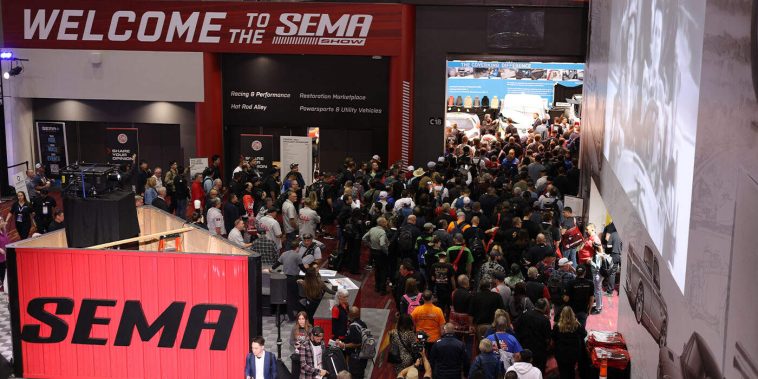

The Future of Collision Repair: A New Era of Competition and Technology
The collision repair industry has always been one of those sectors where skill, precision, and experience matter most. Recently, however, a groundbreaking initiative is reshaping the way professionals approach their craft. At the 2025 SEMA Show, The Society of Collision Repair Specialists (SCRS) is hosting a brand new welding and refinishing competition that combines traditional repair methods with cutting-edge augmented and extended reality (AR and XR) training technology. This innovative competition not only highlights industry talent but also paves the way for future growth and development in the field.
As an observer of the collision repair and automotive industries, I find it refreshing to see such an approach that blends practical skills with advanced technology. In an age where industries are continually evolving, events like these spotlight the importance of staying updated and making use of new tools to overcome the tricky parts and tangled issues that have long been part of the trade.
Innovative Training Methods: Embracing Augmented Reality in Collision Repair
The introduction of augmented reality as a training tool marks a significant shift in how collision repair professionals learn and perfect their skills. With technology rapidly advancing, traditional training methods are being complemented—sometimes even replaced—by modern solutions that include AR and VR experiences. Techniques that once seemed intimidating to someone trying to figure a path through the trade are now made more accessible through hands-on, immersive experiences.
One of the key benefits of integrating AR technology is that it helps bridge the gap between theoretical learning and practical application. By using Skillveri’s advanced mixed reality systems, the competition participants are given the opportunity to “get into” the nitty-gritty of collision repair in a simulated environment where mistakes have immediate feedback. This immersive environment not only aids in boosting confidence but also builds competence as professionals refine their methods without real-world consequences.
Moreover, incorporating such technology into training gives us a glimpse of future trends in the evolving skill set requirements. The blend of physical welding and digital refinishing techniques provides participants with a multifaceted training experience that addresses both traditional methods and the complex pieces of evolving processes in the field.
Collaboration as a Catalyst for Industry Advancement
Innovation in the collision repair space doesn’t happen in isolation. It takes a combined effort from various stakeholders—including trade associations, technology providers, and educational institutions—to drive significant change. The partnership between SCRS, Skillveri, Southern California Collision Equipment (SCCE), Milwaukee Tool, and other industry leaders is a prime example of a collaborative approach that is stealing the spotlight at the 2025 SEMA Show.
This collaboration is super important for several reasons:
- Industry Synergy: Multiple players coming together ensure that the competition is well-rounded. Each sponsor’s expertise is showcased, and the awards provided serve as a stimulus not only for competitors but for educational institutions as well.
- Technology Integration: By leveraging tools and equipment from companies that have been on the cutting edge of innovation, the event confirms that technology is an essential part of modern collision repair training.
- Skill Development: Collaborative events such as these open up new avenues for technicians to “poke around” in a controlled environment, enhancing their skills in both welding and refinishing procedures.
The benefits extend beyond the immediate competition. They set a trend wherein other members of the automotive and repair industries will be motivated to adopt similar technological advancements, thereby ensuring continual improvement in service quality and professional skill levels.
Empowering the Next Generation: The Role of Trade Schools in Collision Repair
One of the most beautiful aspects of this competition is its focus on supporting local trade schools. The winners, rather than simply keeping the accolades for themselves, have the power to direct their prize packages to a collision repair school program of their choice. This move helps to nurture budding talent and build the next generation of skilled technicians.
Trade schools are burdened with the challenge of staying up-to-date with evolving repair techniques and incorporating modern technology into their curriculum. The donations from the competition gifts include:
| Prize Level | Prize Package Components | Approximate Value |
|---|---|---|
| 1st Place | Lifetime Skillveri VR/MR license with a full hardware kit | $25,000 |
| 2nd Place | 1-year Skillveri license with hardware kit and a Fronius Fortis 270 C MIG/MAG welding machine, courtesy of SCCE | $11,500 (combined value) |
| 3rd Place | Skillveri Fundamentals license plus a premium Milwaukee Tool kit | $9,500 (combined value) |
Each finalist, beyond winning technical awards, also receives a Full Series Pass to the 2026 SEMA Show, broadening their exposure to emerging trends and building connections that are indispensable for long-term career development. This approach is not just about awarding technical prowess; it’s an investment in educational infrastructure and the future workforce.
By giving back to trade schools, the collision repair industry is effectively laying the groundwork for a more skilled and technologically adept generation. It’s a twofold benefit: while professionals get an opportunity to sharpen their skills on a competitive platform, educational institutions receive the necessary tools to inspire and guide their students through the confusing bits and hidden complexities of modern repair work.
Building Bridges: How Competitions Inspire Community and Growth
Competitions have long been part of the professional landscape, providing not just motivation but also a platform for meaningful community interaction. When industry veterans and aspirants “take the wheel” in such events, they are not only honing their own skills but also igniting enthusiasm among peers. The welding and refinishing competition at the SEMA Show offers several benefits that extend past the individual level:
- Community Engagement: Such competitions encourage active participation from local repair shops, trade schools, and business associations. The event brings together a diverse crowd, all eager to share techniques and learn from one another.
- Professional Recognition: The titles of “Best Welder” and “Best Refinisher” of the week are more than just labels. They are a testament to the hard work and dedication that go into mastering every little twist of the industry’s trade.
- Networking Opportunities: With the competition being broadcast live on platforms like Facebook, and with access granted to the upcoming 2026 SEMA Show, participants and attendees alike are given a stage to build essential connections that can propel their careers forward.
This community-centered aspect of industry competitions cannot be overlooked. When professionals collaborate and share their experiences, it helps to dispel the overwhelming or nerve-racking feelings that can arise from tackling new technology or complicated pieces of traditional repair methods.
In many ways, the act of competing and publicly showcasing technical skills serves as an encouragement for others to get into the trade—providing them a realistic view of what the future holds and the practical benefits that come with enhanced training and state-of-the-art equipment.
Embracing Digital Tools: The Shift to Virtual and Augmented Learning
The digital revolution within the collision repair industry is not just a passing trend; it’s here to stay. In recent years, educational institutions and repair shops alike have had to “make their way through” an increasing amount of digital transformation. This technological shift has provided a beneficial alternative to traditional hands-on training approaches by offering digital simulations and real-time feedback in a virtual environment.
Some key points that underline the digital shift include:
- Real-Time Feedback: AR-based systems offer immediate insights, enabling repair professionals to correct mistakes during the process. This kind of feedback loop is essential for fostering a more intuitive understanding of welding and refinishing techniques.
- Safe Learning Environments: For newcomers, the intimidating nature of real-world repair can be off-putting. Virtual simulations remove the element of risk and create a safe space where individuals can “take a closer look” and stimulate their learning without any hazardous repercussions.
- Accessibility: Digital learning modules can be accessed virtually, ensuring that training reaches a broader audience. In rural or under-resourced areas, this democratizes specialized training that might otherwise be available only in major urban centers.
The transition to augmented and extended reality demonstrates how the industry is embracing digital tools to foster growth while maintaining high standards in technical skill development. As we look forward, integrating these digital experiences with traditional hands-on training will be a continuously evolving process, one marked by both challenges and exciting opportunities.
Understanding the Shifts in Automotive Repair and Service Trends
Today’s collision repair landscape is not operating in a vacuum. It is part of an overarching ecosystem that includes automotive manufacturing, electric vehicle (EV) trends, and shifting business tax laws. Each of these components is interlinked, influencing how collision repair shops operate on a day-to-day basis. As the automotive industry shifts towards cleaner and more energy-efficient vehicles, collision repair shops must also adapt their skills and tools to keep pace with these changes.
In recent times, the introduction of electric vehicles has stirred up several confusing bits when it comes to repair protocols, safety measures, and training needs. This new era of automotive technology demands innovative approaches to both repair and maintenance. Here are some of the notable changes:
- New Repair Challenges: Electric vehicles come with their own set of complications. Repairing high-voltage systems safely and effectively requires training beyond that of traditional combustion vehicle repairs.
- Updated Safety Protocols: With new technologies comes the need for updated safety guidelines, both for technicians and for the vehicles themselves. These safety updates are a must-have in order to protect shop workers and ensure customer satisfaction.
- Increased Investment in Training: The industry must channel extra resources into training programs that address the specific needs of electric vehicle repair, ensuring that professionals are well-equipped to handle all aspects of this new generation of vehicles.
Events like the SCRS competition serve as an excellent platform where these shifts in repair trends are acknowledged, discussed, and effectively integrated into everyday practice. By fostering events that highlight both skill and innovation, the industry takes important strides in creating a more adaptable and forward-thinking workforce. At the same time, these events encourage professionals to steer through the new demands with confidence and determination.
Challenges and Opportunities: The Realities Behind the Transformation
While the integration of high-tech training tools and the growing collaboration among industry players are undoubtedly positive developments, they are not without their own set of tricky parts and tangled issues. As with any sector undergoing significant change, there are a few challenges that must be addressed:
- Cost of Technology: Advanced hardware and software tools required for AR training represent a major investment. For smaller shops and underfunded trade schools, the expense of keeping up with the latest technology might seem overwhelming. However, as industry-wide events showcase the benefits, there is hope that costs will eventually come down as adoption increases.
- Training the Trainers: It’s one thing to have access to state-of-the-art technology but quite another to ensure that instructors are comfortable using them. The success of these programs depends heavily on educating the educators — ensuring that every subtle twist and little detail is understood by those leading the training sessions.
- Adapting to Changing Standards: As new repair protocols and safety measures develop, keeping up-to-date with the latest standards can be nerve-racking for many professionals. The collision repair industry must continuously refine its certification processes and professional development courses in order to stay relevant and safe.
On the flip side, these challenges also bring a wealth of opportunities. Here are some aspects that provide a silver lining:
- Skill Enhancement: Tackling these challenges head-on ensures that the skills being cultivated are advanced and robust. Technicians who learn to “figure a path” through both the traditional and digital realms of repair are positioned to excel in a competitive market.
- Increased Industry Recognition: As more professionals demonstrate mastery in both welding and refinishing, the collision repair industry is likely to gain enhanced prestige, attracting interest from new talent and even investors.
- Greater Adaptability: With the continuous integration of digital technologies, the workforce becomes more adaptive, able to pivot quickly when new repair methods or vehicle technologies emerge.
By addressing the overwhelming and intimidating aspects of these transitions, industry leaders can help mitigate the nerve-racking bits and ensure that every technician, whether a seasoned veteran or a promising newcomer, is equipped to manage the delicate and exciting shifts in their trade.
Looking Ahead: The Long-Term Impact on the Collision Repair Industry
As industry events like the SCRS competition become more commonplace, the long-term impact on the collision repair industry is expected to be super important. These initiatives are not only driving immediate improvements in technical skills but are also setting the stage for a robust future. Here are some of the prospective long-term outcomes:
- Enhanced Professional Standards: The introduction of advanced training platforms is likely to elevate the overall standard of craftsmanship in the field, reducing error rates and improving customer satisfaction.
- Wider Adoption of Digital Training: With early adoption already underway, it is only a matter of time before AR and XR training methods become standard practice across the industry.
- Stronger Educational Partnerships: By directly investing in trade schools and educational programs, the industry is planting the seeds for a future workforce that is both highly skilled and technologically savvy.
- Improved Safety Protocols: Continuous training using real-time feedback and simulation will likely lead to substantial improvements in workplace safety, reducing incidents and mishaps.
- Broader Industry Collaboration: As more players in the collision repair space unite around these common goals, we can expect strengthened networks that foster knowledge sharing and continued innovation.
The evolution witnessed through competitions like these reaffirms that the collision repair industry is well aware of the subtle parts and tiny details that are key to staying ahead. As we work through these complex pieces and figure out how to best integrate new techniques, we are watching a true transformation in process—one that promises lasting benefits for both current professionals and those just entering the field.
Driving Forward in a Changing Economic Landscape
While technological innovation plays a central role in the transformation of collision repair, it is important to factor in the broader economic and regulatory outlook surrounding the industry. With fluctuating business tax laws, evolving economic policies, and the rapid growth of electric vehicles, the sector is certainly on edge. However, many of these challenges also pave the way for innovative solutions and improved efficiencies.
For instance, EV trends are pushing collision repair shops to re-assess their training methodologies—ensuring that they incorporate both traditional and digital repair approaches tailored to electric vehicles. Such proactive measures highlight an industry that is not just reactive but anticipatory, ready to strike while the iron is hot and meet future challenges head-on. As more aspects like these are integrated into everyday operations, technicians can confidently steer through both the little twists and the more complicated pieces of their workload.
It’s worth noting that even as economic uncertainties persist, collaborative efforts—backed by a robust network of industry associations—are making it easier for shops and training institutions to adapt. By sharing best practices and investing in modern technology, which may seem expensive at first, the collision repair industry is carving a blueprint for success that not only addresses immediate challenges but also lays down a secure foundation for the future.
Conclusion: A Bright Prospect for the Collision Repair Community
In conclusion, the innovative approach taken by the Society of Collision Repair Specialists at this year’s SEMA Show represents more than just a competition—it’s a visionary step forward. The event is super important for uniting professional expertise with high-end technology, and for channeling these efforts into educational support and community growth. By embracing augmented reality training, facilitating robust industry collaboration, and directly investing in the future workforce through trade schools, the collision repair industry is taking meaningful strides toward ensuring its sustainability and success in an ever-changing economic landscape.
This model of combining competition with cutting-edge digital tools, while simultaneously giving back to the educational community, is an inspiring example for many other industries. It shows that by taking the wheel in innovation and working through the tricky parts and confusing bits of modern transition, significant progress can be made. Moreover, it serves as a reminder that every new technological implementation carries both challenges and opportunities—challenges that, when met with collaboration and adaptability, transform into benefits that resonate throughout the industry.
For professionals who are already embedded in the collision repair trade, events like these provide a fresh perspective and a powerful motivation to continue honing their craft. For aspiring technicians and students, they offer a glimpse into a future that is full of promise and technological potential. And, for industry observers, this competition is a clear signal that the path forward—though laden with twists and turns—is teeming with possibility, innovation, and the spirit of community collaboration.
As we look ahead to future events like the 2026 SEMA Show, one thing is abundantly clear: the collision repair industry is not only evolving technologically, but it is also evolving as a community that values knowledge sharing, continuous improvement, and dynamic educational partnerships. By leveraging modern digital tools, addressing the intimidating pieces of training with practical, immersive experiences, and fostering a collaborative spirit, the industry is setting new benchmarks for what success looks like in a modern, fast-paced economic landscape.
With every welded joint and every refinished surface, the collision repair industry is paving the way towards a future that is both technically advanced and deeply community-oriented. The journey ahead may at times feel off-putting or overwhelming, but with the right mix of technology, collaboration, and a commitment to supporting the next generation, the way forward is clear. It is a road paved with promise, innovation, and the kind of practical, hands-on learning that ensures every technician can confidently figure a path through even the most complex repair scenarios.
Let us celebrate not just the winners of these competitions, but the broader movement they represent—a movement towards a collision repair industry that continuously reinvents itself, stands on the cutting edge of technological progress, and always looks to support and empower both its current practitioners and the budding talent of tomorrow.
In an era defined by rapid change and technological breakthroughs, such progressive events are a beacon of inspiration. They remind us that with the right mindset, even the most intimidating challenges and confusing bits of an industry can be transformed into exciting opportunities for learning, collaboration, and lasting growth. The future of collision repair is bright, and it is one that we are all invited to help shape—one innovative step at a time.
Originally Post From https://www.fenderbender.com/news/latest-news/news/55322067/society-of-collision-repair-specialists-scrs-scrs-to-host-welding-and-refinishing-competition-at-the-sema-show
Read more about this topic at
Friendly Competition in Auto Body Repair Showdown
SHOWDOWN AUTO SALES – Updated October 2025