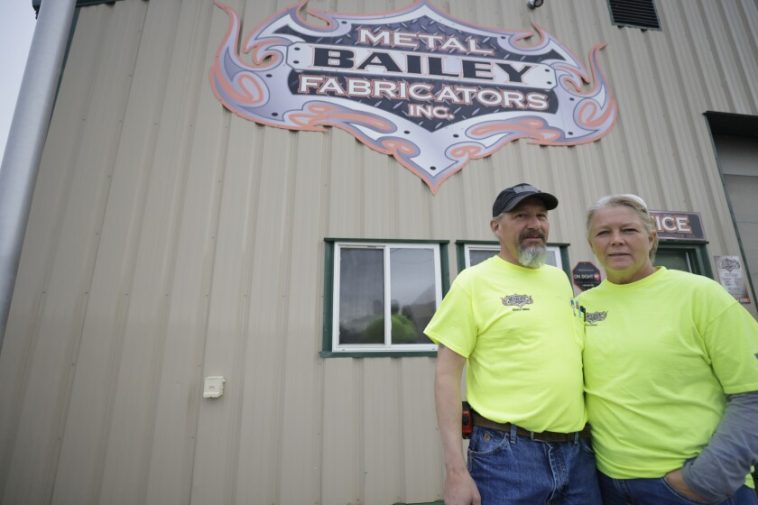

Small Town Metal Fabrication: A Testament to Enduring Craftsmanship
In the heartland of America, small businesses like Bailey Metal Fabricators serve as a living reminder of the deep roots that craft and community share in shaping local identity. In the case of Greg Bailey and his family legacy in Mitchell, South Dakota, a blend of traditional skill and modern technology reveals a story not just about metal, but about how community, dedication, and the art of fabrication can leave an indelible mark on a town. This opinion editorial takes a closer look at the triumphs and challenges inherent in small-town welding and metal fabrication, exploring the twists and turns of turning raw steel into works of art and functional architecture.
Every metal beam or ornamental sculpture crafted in the Bailey shop reflects over 40 years of hands-on experience, mentoring, and a passion for the trade. The company’s evolution—from its humble beginnings as Bailey Welding in the late 1950s to the implementation of cutting-edge technological advances today—illustrates a journey where hands-on knowledge and continual learning have shaped a business that continues to thrive long after its inception.
Modernizing Tradition: Where Handcraft Meets Technology
One of the most interesting aspects of Bailey Metal Fabricators is its blend of traditional craftsmanship with modern technology. What started as simple farm equipment repair operations has transformed into a company capable of precision fabrication for large national projects. From executing detailed 3D metal sculptures to fabricating crucial structural elements for major dams, the company has maintained its small-town roots while stepping up to meet the demands of today’s industrial landscape.
Advancements in machinery have not replaced the skilled hands that craft each piece with care. The integration of modern plasma tables, band saws, and CNC pipe-cutting machines highlights a journey where technology acts as a partner rather than a replacement for the meticulous labor traditionally associated with metal fabrication. This marriage of new and old methods underscores an important point: while surface-level technology has advanced dramatically, the subtle details and fine points of the craft are still best handled by experienced professionals.
Balancing Traditional Craft with Cutting-Edge Tools
It is refreshing to note that even after decades of operation, leaders like Greg Bailey continue to emphasize the importance of manual labor. Whether it’s hand-fitting or custom welding intricate curves, the company reflects a philosophy that recognizes handcraft and modern machinery are two sides of the same coin.
- Use of automated equipment for high accuracy in repetitive tasks.
- Retention of skilled workforce for creative and complicated pieces.
- Combination of 3D modeling with hand-crafted finishing touches.
- Regular investments in state-of-the-art technology while not neglecting hands-on methods.
In many ways, the firm demonstrates that a business’s survival hinges on its ability to figure a path through the constant evolution of its industry. The Bailey example is a reminder that embracing modernity does not mean abandoning the nuances of traditional methods. Instead, it is about finding a balanced approach where technology and craftsmanship coexist in a manner that leverages the strengths of both.
Community Impact: Shaping Mitchell’s Landscape Through Metal Art
Beyond the realm of industrial projects and precision engineering, Bailey Metal Fabricators has left a significant mark on its local community. The visible contributions—from the striking Corn Palace Plaza sculpture to the railings at Veterans Park—showcase how a small business can infuse a town with artistic and functional elements that enhance its character.
Greg Bailey’s personal commitment to community projects goes far beyond simple business transactions. Locals can take pride in every piece installed around the town, creating a sense of belonging and shared history. The hands-on approach to projects allows for every finished product to be viewed not simply as a metal structure, but as a piece of Mitchell’s legacy.
Enhancing Cityscapes with Carefully Crafted Metalworks
The impact on the community is both inspiring and practical. Consider the following contributions:
- The Corn Palace Plaza sculpture: A landmark piece designed by Heidi Bailey that blends artistic creativity with durable craftsmanship. This sculpture not only serves as an aesthetic focal point but also stands as a symbol of the community’s pride.
- Railings and Fencing: Functional elements donated to local parks, such as the railings at Carnegie Resource Center and the aluminum fencing at Veterans Park, underscore the company’s commitment to contributing to public infrastructure.
- Award-Winning Projects: Recognition on a national platform, such as the silver Top Job award from the National Ornamental and Miscellaneous Metals Association, bolsters community morale by highlighting local talent in broader circles.
These projects are a visible reminder that even amid the tricky parts of running a small business, community commitment remains a constant motivator. They illustrate the idea that local business success is often measured not only in profit margins but also in the substantial quality of life improvements that ripple throughout the community.
Embracing the Challenging Bits: Tackling Tricky Parts in Metal Fabrication
The world of metal fabrication is filled with tangled issues and complicated pieces that require more than just technical skill. It involves close attention to the fine points and hidden complexities that often come with the territory. The work at Bailey Metal Fabricators is a lesson in overcoming intimidating challenges with creativity and perseverance.
Greg Bailey’s journey through decades of metalwork is a testament to the continual need for learning and adaptation. Despite accumulating experience over 40 years, he emphasizes that stopping learning is not an option. The company’s ability to remain competitive lies in its willingness to adapt, upgrade its equipment, and invest in the continuous growth of its staff.
Overcoming Industry Challenges with an Open Mind
There are several important lessons to take away regarding managing challenging bits in the fabrication industry:
- Emphasis on Continuous Learning: In a field that is loaded with issues around integrating traditional techniques with modern methods, the willingness to learn and upgrade skills has been a major contributing factor to success.
- Investment in Technology: Regular updates to machinery ensure that the company can maintain precision and quality in the final products, even when faced with nerve-racking or confusing bits of custom project demands.
- Hands-On Mentoring: The sharing of knowledge from experienced tradespeople to younger staff members is seen as essential in bridging the gap between old school methods and new techniques, ensuring that the legacy of craftsmanship is continued.
By confronting the off-putting challenges inherent in small-scale industrial manufacturing, Bailey Metal Fabricators demonstrates that facing these obstacles head-on with a proactive mindset is key to not only surviving but thriving. The company’s evolution provides a blueprint for other small businesses looking to sustain operations through turbulent economic climates and technological transformations.
Mitchell’s Metal Fabrication Legacy: A Story of Pride and Perseverance
At its core, the story of Bailey Metal Fabricators is one of profound local significance and a reminder that the spirit of craftsmanship is far from obsolete. In today’s fast-paced, technology-driven market, the tradition of hands-on welding and bespoke fabrication holds a unique place. Greg Bailey’s approach shows that innovation does not always mean reinventing the wheel, but rather finding creative ways to enhance time-honored techniques with the tools of the modern age.
In a community where every fabricated structure tells a story, Bailey Metal Fabricators has become a symbol of what can be achieved when passion meets perseverance. The company’s projects, ranging from smaller local installations to large-scale national endeavors, illustrate the diverse capabilities of a small-town business rooted in decades of skill and relentless dedication.
How a Heritage Business Continues to Inspire a Community
A few key highlights accentuate the company’s impact on the regional landscape:
- Family Legacy: With a history that began in the 1950s and progressed through several generational handovers, the business underscores the importance of legacy in shaping local identity.
- Community Involvement: Public installations and donated materials to local parks not only enhance public spaces but also reinforce community pride.
- Recognition and Awards: Earning accolades from national associations validates the company’s high standards and distinguishes it among competitors in a field that often seems intimidating to newcomers.
This legacy and the results visible in Mitchell’s infrastructure serve as powerful reminders that effective small business practices extend far beyond profit statements. They contribute to a sense of place, community pride, and a shared appreciation for craftsmanship that resonates on both local and national scales.
Mentoring Tomorrow’s Craftsmen: The Importance of Skill Transfer
One of the most heartening aspects of Bailey Metal Fabricators is its genuine investment in mentoring the next generation of skilled workers. This dynamic, hands-on learning process is instrumental in passing on the subtle parts and little details of a trade that has evolved dramatically over the last several decades.
In an industry where the subtle details and fine shades of craftsmanship are key, the process of learning through doing is a priceless asset. Greg Bailey’s dedication to extended hours mentoring junior workers—often outside of their regular shifts—underscores a belief that real-world, personal guidance is super important for ensuring that traditional techniques are not lost in the age of automation.
Practical Approaches to Mentoring in a Technical Trade
Several strategies highlight the importance of skill transfer in this field:
- Extended On-the-Job Training: Allowing prospective craftsmen to work beyond standard hours provides them with the practical, real-life experience needed to master the craft.
- Hands-On Workshops: Regularly scheduled sessions where seasoned professionals teach nuanced techniques help preserve the authenticity of metal fabrication skills.
- Individual Mentorship: One-on-one sessions foster an environment where even the trickiest parts of a project, often involving subtle tweaks and little twists, can be understood and replicated.
- Encouraging Self-Learning: Providing access to materials and guidance enables budding fabricators to dive in and explore techniques at their own pace, ensuring that enthusiasm is matched with technical proficiency.
This thoughtful approach to training embodies a broader vision—a business model where the success of today paves the way for the innovation of tomorrow. By passing on the hidden complexities and intricate parts of metal fabrication, Bailey Metal Fabricators not only strengthens its immediate workforce but also cements its role as an enduring influence in the local industry.
Taking the Wheel in a Competitive Market: Small Business Resilience
While local legacy and skills transfer are major components of its success, Bailey Metal Fabricators also stands as an example of how small businesses can find their path through a competitive industrial market. When faced with intimidating market conditions, economic uncertainties, and off-putting regulatory changes, the firm has consistently managed to steer through with a combination of innovation, customer focus, and quality craftsmanship.
Many small businesses, especially in manufacturing, struggle with the nerve-racking task of figuring out a path in a marketplace that often seems dominated by large corporates. In such an environment, the hands-on nature of Bailey Metal Fabricators works in its favor. Their ability to effectively communicate the real value of artisan welding and custom fabrication to clients—regardless of whether it’s for local infrastructure or large-scale national projects—demonstrates a successful model of resilience.
Strategies for Competing Against Larger Corporations
A few key strategies help small business owners manage their way through a competitive landscape:
- Customer-Centric Service: Focusing on personalized, high-quality service that large corporations often overlook. In the Bailey example, community-oriented projects bolster the company’s public image.
- Adapting to Client Needs: While large organizations may have set processes, small businesses are more agile and willing to tailor their offerings to unique project requirements.
- Emphasizing Quality Over Quantity: By ensuring each project—no matter how large or small—is handled with meticulous attention, small businesses can carve out a niche market where quality craftsmanship is highly valued.
- Investing in Workforce Development: Retaining skilled workers by providing opportunities for growth and hands-on experience ensures that the company can tackle complicated orders that require both precision and ingenuity.
Ultimately, the experience of Bailey Metal Fabricators presents a hopeful blueprint: small businesses, when armed with quality, community focus, and technological adaptability, not only manage but flourish in markets that at first glance seem overwhelming and even off-putting.
Reflecting on the Future: Innovation and the Next Generation
As we look to the future of the manufacturing sector and small businesses in particular, stories like that of Bailey Metal Fabricators remind us of one key point: innovation is an ongoing journey. While the company today stands as a beacon of successful adaptation and community contribution, there remains a poignant challenge ahead—ensuring that the hard-earned knowledge and craft are not lost to time.
Greg Bailey’s honesty about there being no immediate third-generation successor presents both an opportunity and a call to action. In an era where digital tools dominate discussions about progress, the real heart of manufacturing remains in the dedication to hands-on craftsmanship. The irony is that while technology continues to make work less intimidating and more efficient, it is the human touch—those who understand the nitty-gritty details and can figure a path through tricky scenarios—that ultimately defines the legacy of a business.
Future Challenges and Opportunities for Legacy Businesses
There are a few critical insights to consider for legacy businesses as they look forward:
- Succession Planning: While immediate successors might not always be available, preparing the next generation of entrepreneurs or craftsmen through internships and apprenticeships is super important.
- Maintaining Community Ties: Continued engagement with local projects not only cements the company’s reputation but also strengthens the ties that bind it to the regional economy.
- Balancing Innovation with Tradition: The challenge is to integrate newer technology without sacrificing the aesthetic and structural quality of handcrafted elements.
- Diversifying Clientele: Expanding market reach by securing contracts for national projects can provide a buffer against local economic shifts, ensuring longevity in an ever-changing business climate.
In essence, while the craft of metal fabrication is loaded with problems and sometimes intimidating twists and turns, the route forward is illuminated by a blend of innovation, continuous learning, and unwavering community loyalty. The Bailey story reinforces that when a business is built on foundations of hard work and family values, its influence will extend long past the immediate confines of the shop floor.
Charting a Path Forward: The Enduring Value of Skilled Craftsmanship
The story of Bailey Metal Fabricators is not merely about metal and machines—it is a narrative that encourages us to appreciate the small-town origins of many of America’s most enduring industries. This small business, rich in tradition and innovation alike, reminds us that the success of a craft is as much about personal relationships and community pride as it is about efficiency and technological innovation.
In a world that often seems to favor big corporations and impersonal processes, the genuine commitment to quality, skill, and local impact becomes even more refreshing. Greg Bailey’s work exemplifies an ethos that prizes the art of metal fabrication as an essential part of the region’s cultural heritage. His story is a powerful reminder that the true value of a business can be measured not only in terms of economic success but also in the lasting contributions it makes to its community’s landscape and identity.
Why Traditional Fabrication Holds Ongoing Relevance
Several reasons underscore why traditional metal fabrication remains a key facet of American industry:
- Quality and Durability: Handcrafted metal works tend to last longer and are often more reliable than items produced entirely by automated processes.
- Personalized Solutions: For projects requiring a personal touch, such as custom installations or public art, the experience of skilled fabricators is indispensable.
- Cultural Heritage: Local crafts, passed down through generations, hold a mirror up to community values and create a unique identity that distinguishes a town or region.
- Technological Harmony: Melding modern machinery with hands-on techniques results in a hybrid quality that neither method could achieve alone.
This sentiment encourages small business owners and local craftsmen to continue investing in both their traditional skill sets and emerging technologies. By doing so, they not only preserve a cherished cultural legacy but also carve out a unique niche in an increasingly competitive industrial landscape.
Conclusion: Embracing a Legacy of Resilience and Innovation
There is an undeniable charm in stories of small-town triumph where determination, skill, and community spirit converge to create lasting beauty and functionality. Bailey Metal Fabricators stands as a testament to the power of passion and persistence. The company’s journey shows that even in a world full of overwhelming challenges and nerve-racking industry shifts, sticking to your roots while embracing necessary innovations can yield remarkable outcomes.
From its early days as a modest welding shop to a thriving enterprise responsible for iconic landmarks, the company has continually worked through the puzzling bits of modernization and tradition. With every beam, railing, and sculpture, the legacy of the Bailey family is woven into the fabric of Mitchell.
Indeed, your local metal fabricator is not just a business—it is a storyteller, a mentor, and an innovator that empowers its community with every new project. As we figure a path through our own industry challenges, the example set by Greg Bailey and his team reminds us that even the smallest business can have an outsized impact on the local and national stage.
As small business owners, community members, and industry observers, we should celebrate these success stories. They are the blueprint for managing your way through the colorful, sometimes confusing, and always rewarding world of skill-based manufacturing. In the final analysis, the enduring lesson here is that nothing lasts as long as genuine craftsmanship and community spirit—qualities that will continue to shine through, decade after decade.
In a world where economic trends may change and technologies evolve, the steadfast dedication of small businesses like Bailey Metal Fabricators offers a beacon of hope. The company’s commitment to quality, mentorship, and community impact not only inspires present generations but also lays the groundwork for future innovators who will carry forward the torch of excellence.
Ultimately, the story of Bailey Metal Fabricators teaches us that embracing tradition while welcoming the latest tools is not a compromise but a strength. As the industry advances, such businesses remind us that the fusion of old-world expertise and modern innovation is the super important, must-have recipe for long-term success in an ever-changing market.
For anyone looking to understand the true value of small-town industry, the Bailey legacy is a prime example—a living, breathing case study in resilience, creativity, and the art of forging not just metal, but enduring community connections.
Originally Post From https://www.mitchellrepublic.com/news/local/bailey-metal-fabricators-owner-brings-passion-to-every-project-to-show-what-small-town-shop-can-do
Read more about this topic at
KCD2 – Legacy of the Forge DLC Spoiler Thread
Forging Community | Dreamer’s Church Austin