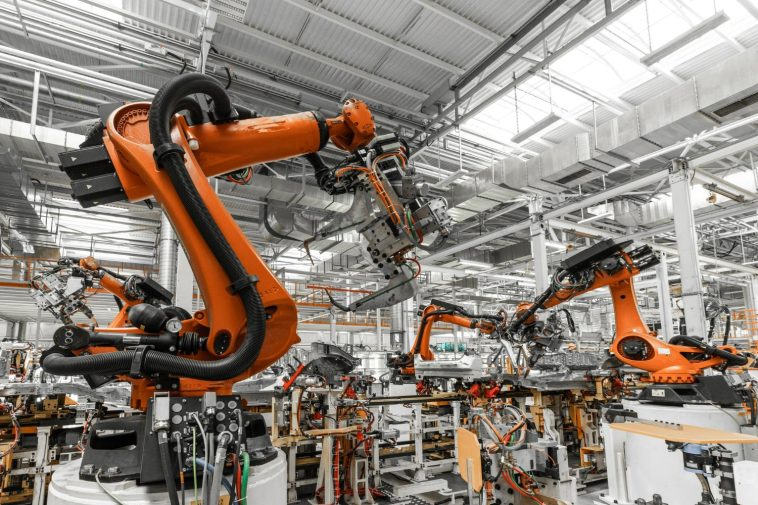

Introduction: A New Era in Metal Fabrication and CNC Machining
The rapidly changing world of metal machining and fabrication is undergoing a dramatic transformation thanks to artificial intelligence and advanced automation. In today’s smart manufacturing setting, AI isn’t merely a buzzword; it is the driving force that contributes to faster production, improved precision, and better safety for workers on the shop floor. With many metal fabricators already embracing these technologies, traditional manufacturing now faces the challenge of integrating smart machines that can learn from sensor data, CAD/CAM designs, and even predict maintenance needs. This evolution is creating exciting, yet sometimes nerve-racking, changes in one of the industry’s most critical areas.
As engineers, shop-floor operators, and technology enthusiasts get into this new environment, understanding the tangled issues, confusing bits, and twists and turns of digital transformation is essential. In this opinion editorial, we take a closer look at how AI and automation are reshaping metal machining and fabrication, evaluate real-world case studies, and explore the economic and safety benefits and the challenges that accompany these innovative approaches.
How AI is Reshaping CNC Machining and Metal Fabrication
AI in manufacturing means utilizing machine learning, data analytics, and robotics to change the way metal machining is done. Modern systems – from self-optimizing CNC machines to automated welding cells – are equipped with sensors and advanced algorithms that help optimize every cutting path, schedule maintenance before unexpected breakdowns, and detect defects during operations. These sophisticated systems promise to deliver key benefits such as higher productivity, improved quality, and reduced production costs.
Boosting Productivity Through Smart Scheduling and Optimized Machine Tending
The integration of AI in CNC machining directly translates to higher productivity. Intelligent systems adjust cutting paths on the fly, improve scheduling so that production is always on target, and can even run “lights-out” operations where machines work around the clock with few or no manual interventions. Many fabricators report a 15–20% increase in throughput, while some even boast up to an 18% surge in output for sheet metal production when using optimized CNC scheduling and path planning.
This productivity boost is made possible by software that can:
- Analyze sensor data to adjust machine feed rates and speeds
- Automatically reassign tasks to available machines
- Create self-adjusting programs that reduce downtime
Table 1 below summarizes the key productivity benefits of integrating AI into CNC machining:
| Benefit | Percentage Increase | Comments |
|---|---|---|
| Throughput | 15–20% | Smart scheduling optimizes cut paths and cycle times |
| Operational Hours | Up to 600% | Lights-out operations allow machines to work continuously |
| Weld Output | Up to 400% | Collaborative robots can double the welding speed |
By implementing these automated scheduling practices, fabricators are not just increasing the number of parts produced – they are transforming the way work is organized on the floor, leading to a more agile and responsive manufacturing environment.
Enhancing Machine Uptime with Predictive Maintenance
One of the most nerve-wracking aspects of traditional manufacturing is unexpected machine breakdowns. With AI, companies can now dodge these tricky parts by using predictive maintenance that analyzes vibration, temperature, and tool-wear data. This technology helps pinpoint potential failures before they occur, which can cut unplanned downtime by up to 30% and raise overall equipment effectiveness by around 14% on average.
The benefits of predictive maintenance include:
- Longer machine lifespans
- Lower repair costs and fewer emergency fixes
- Increased production reliability and on-time deliveries
This approach not only saves costs but also ensures that the production schedule remains on track—a key aspect for businesses competing in today’s fast-paced industrial market.
Achieving Superior Quality and Precision in Metal Fabrication
In addition to ramping up production, AI systems are keystones in enhancing quality. Automated inspection tools, such as AI-powered vision systems, can detect flaws with roughly 98% accuracy, outperforming manual inspections that are often subject to human error. This leads to much tighter tolerances on metal parts and significantly reduces the rate of scrap and rework.
Other ways that AI improves quality include:
- Optimization of CAD/CAM layouts to save material and reduce waste by 15–25%
- Implementation of robotic welding that delivers up to 25% greater precision than manual methods
- Fine-tuning of cutting processes through real-time adjustments based on sensor feedback
These quality improvements not only lead to a better final product but also contribute to higher first-pass yields, saving companies both time and money. The integration of AI in these processes means focusing on the small distinctions—the fine points that can make the difference between a mediocre part and a precision-engineered component.
Real-World Case Studies: How AI and Automation Make a Difference
Beyond the theoretical benefits, real-world examples reveal how AI and automation are transforming metal fabrication. Several case studies provide tangible evidence of these positive outcomes, demonstrating gains in throughput, quality, and cost savings.
Case Study: Doubling the Output with Collaborative Robots
One metal fabricator in Ohio, USA, integrated collaborative welding robots for MIG and TIG welding from a leading robotics company. The results were striking. The automated cobots managed to double the welding speed compared to traditional manual methods. This led to up to a 4× improvement in overall welding output, even though the number of operators was halved. By automating repetitive tasks, the company not only raised production capacity but also streamlined operations, allowing skilled workers to focus on quality and programming rather than manual welding operations.
This case highlights how AI-driven automation can transform previously time-consuming processes into highly efficient operations, reducing cycle times substantially while maintaining consistent quality. Such improvements offer a glimpse into how the industry can overcome the confusing bits of traditional processes and steer through the tangled issues that often slow down production.
Case Study: Lights-Out CNC Machining with Robotic Tenders
Another notable example comes from a metal machining company that deployed robot “tenders” to enhance the capabilities of its CNC mills. These robotics augmentations allowed the facility to run lights-out operations, meaning that the machines operated continuously without manual intervention. As a result, the facility experienced a 600% boost in CNC throughput. This dramatic increase translated to six times more active machining hours without additional staff, effectively multiplying the plant’s output.
These real-world cases confirm that the integration of AI and robotics in metal machining isn’t just a futuristic concept—it is a present-day reality with measurable benefits that extend beyond mere theoretical gains.
Economic and Safety Upsides of AI-Driven Fabrication
While increased throughput and quality improvements often headline discussions about AI in manufacturing, the economic and safety aspects are equally compelling. Companies using AI-driven systems find that labor expenses can be reduced by about 10% since machines complete tasks that previously required human intervention. Moreover, material waste is reduced by up to 15%, and energy savings of approximately 10% have been reported—leading to substantial cost savings in scrap, labor, and utilities.
From a safety perspective, automation reduces workers’ exposure to dangerous tasks. Robots that handle heavy lifting, welding in hazardous environments, or other risky operations result in a safer work environment. Approximately 62% of metal shops have reported improved safety metrics following the adoption of AI systems. By taking over dangerous and physically taxing tasks, robots allow human operators to focus on higher-order functions such as programming, quality control, and process optimization.
Looking Toward the Future: AI’s Expanding Role in Metalworking
Looking ahead 5–10 years, the influence of AI and automation in metal machining and fabrication is only expected to grow. Industry forecasts predict robust growth in the overall AI-driven manufacturing market, with the metal fabrication segment expected to grow at an annual rate of around 12%. In the near future, CNC controllers will become even more advanced as they embed machine learning capabilities to adjust feed rates and speeds in real time.
Key trends anticipated for the coming decade include:
- Autonomous CNC and Robotics: Future CNC machines will tweak toolpaths and adjust cutting parameters automatically, making it easier for companies to find their way through production without constant human oversight.
- Digital Twins and Enhanced Data Analytics: Manufacturers will start building digital models of their machines and production lines, enabling cloud-based AI models to simulate and optimize real-time processes. These digital twins will help in shorting setup and prototyping times by up to 35%.
- Generative Design and Customization: AI-driven design tools will automatically generate optimal part geometries, reducing the nerve-racking task of fine-tuning designs manually. This is particularly beneficial as mass customization becomes more common in the industry.
- Sustainability and Efficiency: With increased global focus on environmental regulations, AI optimization will play a key role in reducing energy use and material waste, aiding manufacturers in meeting tighter sustainability goals.
As manufacturers start to work with these advanced systems, the benefits become evident beyond the production floor. These smart manufacturing practices pave the way for remote monitoring, adaptive scheduling, and even remote operation of machines, breaking down traditional factory boundaries and creating more resilient production ecosystems.
Workforce Evolution in the Age of AI and Automation
The integration of AI in metal machining and fabrication brings not only technological changes but also significant shifts in the workforce. While some manual tasks may vanish, many high-skill jobs will emerge as the need for data literacy, programming, and machine maintenance grows. A large majority of metal engineers believe that AI is essential to future innovation, and within the next decade, training programs are expected to integrate AI tools, preparing workers to manage these systems smoothly.
Key changes in the workforce include:
- Upskilling Opportunities: AI-based training tools and virtual reality modules can accelerate competency gains by approximately 25%, enabling workers to get into advanced techniques more quickly.
- Shift in Roles: Operators who once monitored manual processes will now focus on overseeing automated systems and managing data analytics for process improvement.
- Increased Emphasis on Data Literacy: Efforts to train current staff in interpreting sensor data and AI outputs will be critical, as understanding the small distinctions in data analytics is key to maintaining quality and efficiency.
This workforce evolution is a prime example of how the industry is adapting to ensure that technology and human expertise complement each other, forming a hybrid work model that is both efficient and safe.
Overcoming the Tricky Parts: Dealing with Integration Challenges
Despite the promising benefits, integrating AI and automation into established manufacturing systems comes with its own set of complicated pieces. Many small to mid-sized enterprises face intimidating hurdles when trying to incorporate AI technologies. The challenges range from high initial costs and legacy system constraints to cybersecurity concerns as machines become increasingly interconnected.
Some of the key challenges include:
- Initial Investment: Although the cost of AI solutions is gradually coming down, setting up a comprehensive AI-integrated system can be overwhelming for some companies, especially those with outdated equipment.
- Legacy System Incompatibility: Many older CNC machines and fabrication tools aren’t designed to communicate with modern digital systems. This makes it tricky to integrate new AI modules without extensive retrofitting.
- Cybersecurity Risks: As more devices get connected to the internet, ensuring robust cybersecurity becomes super important. With increased connectivity, these systems become potential targets for cyberattacks, which could disrupt operations.
- Data Management Challenges: Handling vast streams of data from various sensors and machines requires new skills and technologies. The industry needs to figure a path to efficiently manage and interpret these data streams to maximize the benefits of AI.
To help companies overcome these hurdles, vendors are increasingly offering turnkey AI solutions that simplify the adoption process. Collaborations between tech firms and traditional machine-tool manufacturers are key to smoothing out the turbulent parts of integration, ensuring that even companies new to AI can confidently take the leap into smart manufacturing.
Future Innovations and the Long Road Ahead
Looking forward, we can expect further innovations that will continue to redefine the metal machining landscape. AI is set to become inseparable from production planning, with future CNC controls embedding sophisticated machine learning models that adjust operations in real time. Advanced robotics, digital twin simulations, and generative design tools will converge to create manufacturing cells that are more autonomous and adaptive than ever before.
The data-driven nature of these systems means that manufacturers will have access to precise insights about every aspect of their operations. This precision will not only drive production improvements but also support strategic decision-making, from energy consumption to workforce management. With nearly 82% of metal shops already recognizing AI as essential for future innovations, it’s clear that these technologies are here to stay—and to shape the future in profound ways.
Conclusion: A Balanced View on the Road Ahead for Metal Machining
The integration of AI and advanced automation into metal fabrication is transforming the industry at an unprecedented pace. By delivering higher productivity, enhanced quality, reduced downtime, and improved safety, these advancements are redefining the nature of traditional manufacturing. Real-world case studies clearly illustrate that smart systems not only provide measurable benefits but also contribute to significant cost savings and operational efficiency.
However, the journey is not free of challenging bits. Companies must figure a path through the tricky parts of legacy systems, integration expenses, and cybersecurity risks. As the technology matures and standardization improves, these hurdles are expected to diminish, paving the way for a more interconnected and resilient smart manufacturing environment.
As we dive into the future, it’s essential for businesses in the metal machining sector to educate themselves on the subtle parts of these innovations and invest strategically in AI and automation. Through effective workforce training, robust cybersecurity measures, and collaborative industry initiatives, even small fabricators can ride the wave of technological change and secure a competitive edge in the global market.
In summary, while the digital transformation of metal fabrication brings with it a set of confusing bits and tangled issues, its benefits are clear—enhanced throughput, increased quality, and cost savings that make it a must-have strategy in today’s challenging industrial landscape. The road ahead might seem overwhelming, but with the right approach and a willingness to adapt, AI-driven manufacturing promises a bright, efficient, and safer future for metal machining and fabrication.
Originally Post From https://techbullion.com/how-ai-and-automation-are-transforming-metal-machining-and-fabrication/
Read more about this topic at
Welcome To the Smart Manufacturing Revolution — Katana
Smart Manufacturing Explained: Basics, Use Cases & Best …